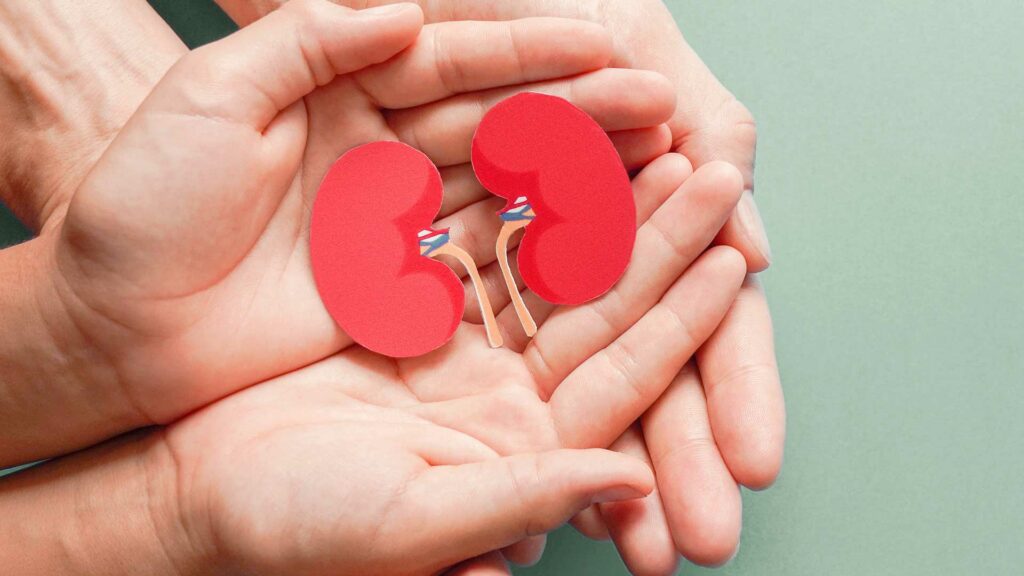
Our kidneys are two bean-shaped organs responsible for filtering waste products, excess fluid, and toxins from our blood. They play a crucial role in maintaining health by:
- Regulating blood pressure
- Controlling red blood cell production
- Maintaining electrolyte balance
- Strengthening bones
Unfortunately, kidney disease is a growing concern, affecting millions worldwide. But the good news is, many simple lifestyle changes can significantly improve your health and protect your kidneys.
Table of Contents:
- Key Takeaways
- Understanding Kidney Health
- Simple Steps to Protect Your Kidneys
- Healthy Diet
- Stay Hydrated
- Manage Blood Pressure and Blood Sugar
- Maintain a Healthy Weight
- Exercise Regularly
- Avoid Smoking and Excessive Alcohol
- Get Regular Checkups and Screenings
- FAQ about Kidney Health
- Conclusion
Key Takeaways:
- By prioritizing your health and implementing simple lifestyle changes, you can significantly improve your kidney function.
- A healthy diet, adequate hydration, and regular exercise are key factors in protecting your kidneys.
- Managing blood pressure and blood sugar, maintaining a healthy weight, and avoiding smoking and excessive alcohol are crucial for kidney health.
- Regular checkups and screenings can help detect kidney problems early on, allowing for timely treatment and better outcomes.
Understanding Kidney Health:
The kidneys are complex organs, but understanding their basic functions can help you appreciate their importance in overall health. They filter around 200 liters of blood daily, removing waste and toxins while retaining essential nutrients and electrolytes. This filtered fluid is then excreted as urine.
However, various factors can damage your kidneys, leading to reduced function and potentially chronic kidney disease (CKD). Diabetes, high blood pressure, obesity, smoking, and certain medications are some of the risk factors associated with CKD.
Simple Steps to Protect Your Kidneys:
1. Healthy Diet:
- Limit sodium intake: Opt for fresh, unprocessed foods and cook with herbs and spices instead of salt.
- Choose lean protein sources: Fish, poultry, beans, and lentils are better choices than red meat.
- Reduce saturated and trans fats: Opt for healthy fats like olive oil and avocado.
- Limit added sugar: Choose fruits and unsweetened beverages over sugary drinks and processed foods.
- Increase fruits and vegetables: They are rich in antioxidants and essential vitamins and minerals that support kidney health.
2. Stay Hydrated:
Drinking enough water flushes toxins out of your body and helps your kidneys function optimally. Aim for eight glasses of water daily, adjusting based on your activity level and climate.
3. Manage Blood Pressure and Blood Sugar:
High blood pressure and blood sugar can damage your kidneys over time. Regular monitoring and controlling these levels through medication and lifestyle changes are crucial for kidney health.
4. Maintain a Healthy Weight:
Being overweight or obese increases your risk of kidney disease. Aim for a healthy weight through a balanced diet and regular exercise.
5. Exercise Regularly:
Physical activity helps control blood pressure and blood sugar, promotes weight management, and improves overall health, including your kidneys. Aim for at least 30 minutes of moderate-intensity exercise most days of the week.
6. Avoid Smoking and Excessive Alcohol:
Smoking and excessive alcohol consumption can damage your kidneys and increase your risk of CKD. Quitting smoking and limiting alcohol intake are important for protecting your kidney health.
7. Get Regular Checkups and Screenings:
Regular checkups allow your doctor to monitor your kidney function and identify any problems early on. They may recommend urine tests, blood tests, or imaging studies like ultrasound to assess your kidney health.
FAQ about Kidney Health:
Q: What are the symptoms of kidney disease?
Early on, kidney disease may not have any symptoms. However, as the disease progresses, you may experience fatigue, swelling in your hands and feet, high blood pressure, changes in urination frequency or amount, and blood in your urine.
Q: What are some natural remedies for kidney health?
While certain lifestyle changes like those mentioned above can improve kidney function, there are no “natural remedies” proven to treat or cure kidney disease. Talk to your doctor before adding any supplements or herbal remedies to your routine.
Q: Who is at risk for kidney disease?
People with diabetes, high blood pressure, obesity, a family history of kidney disease, or certain medical conditions are at increased risk.
Conclusion:
By prioritizing your health and implementing simple lifestyle changes, you can significantly improve your kidney function and reduce your risk of kidney disease. Remember, early detection and management are key to protecting your kidneys and maintaining