
Your kitchen might be hiding a secret that could cost you everything. It’s not the granite countertops you installed last summer or the new dishwasher you splurged on during Black Friday.
The real danger lurks in something far more traditional, far more beloved, and honestly, far more overlooked by homeowners who assume their coverage has them protected no matter what.
The Wood-Burning Stove Reality Check
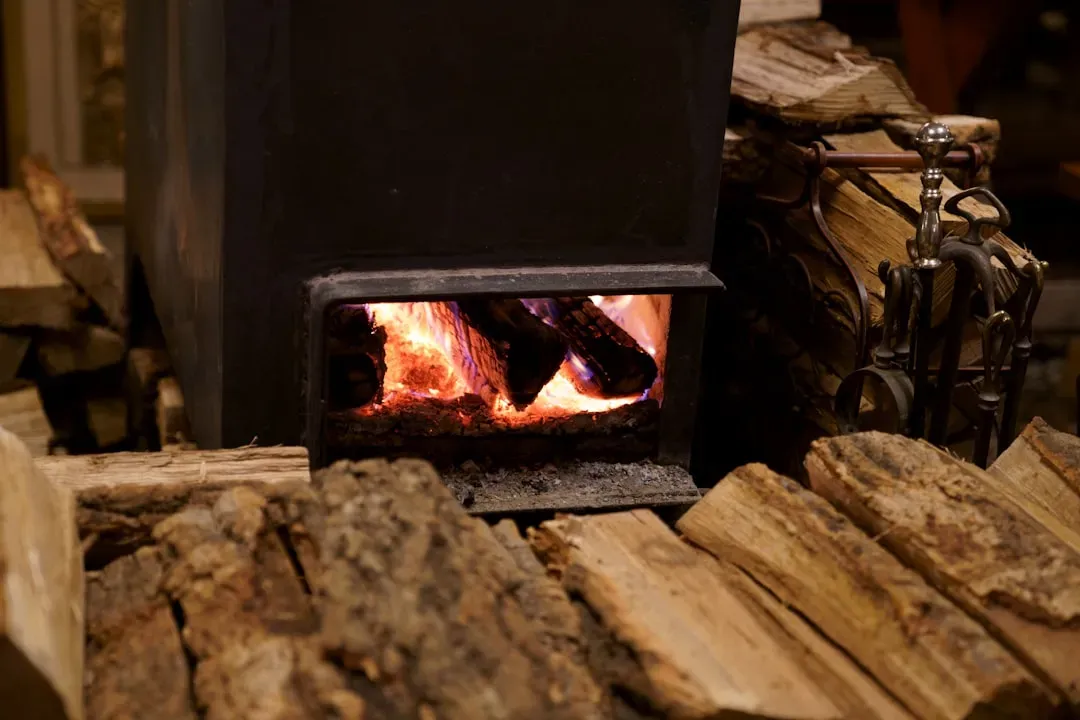
Built-in wood-burning fireplaces pose a greater fire risk and may cause an increase in your home insurance rate. Here’s the thing nobody tells you when you’re fantasizing about cozy winter evenings.
The presence of a wood stove in your home could potentially lead to higher homeowners insurance premiums because wood stoves carry a higher risk of fire damage compared to other heating methods. Some insurers might even refuse coverage altogether.
A woodburning stove or fireplace can increase your home insurance premium by about 10% or $100 a year depending on which insurance provider you’re with. That’s if they agree to cover you at all.
The Statistics Don’t Lie
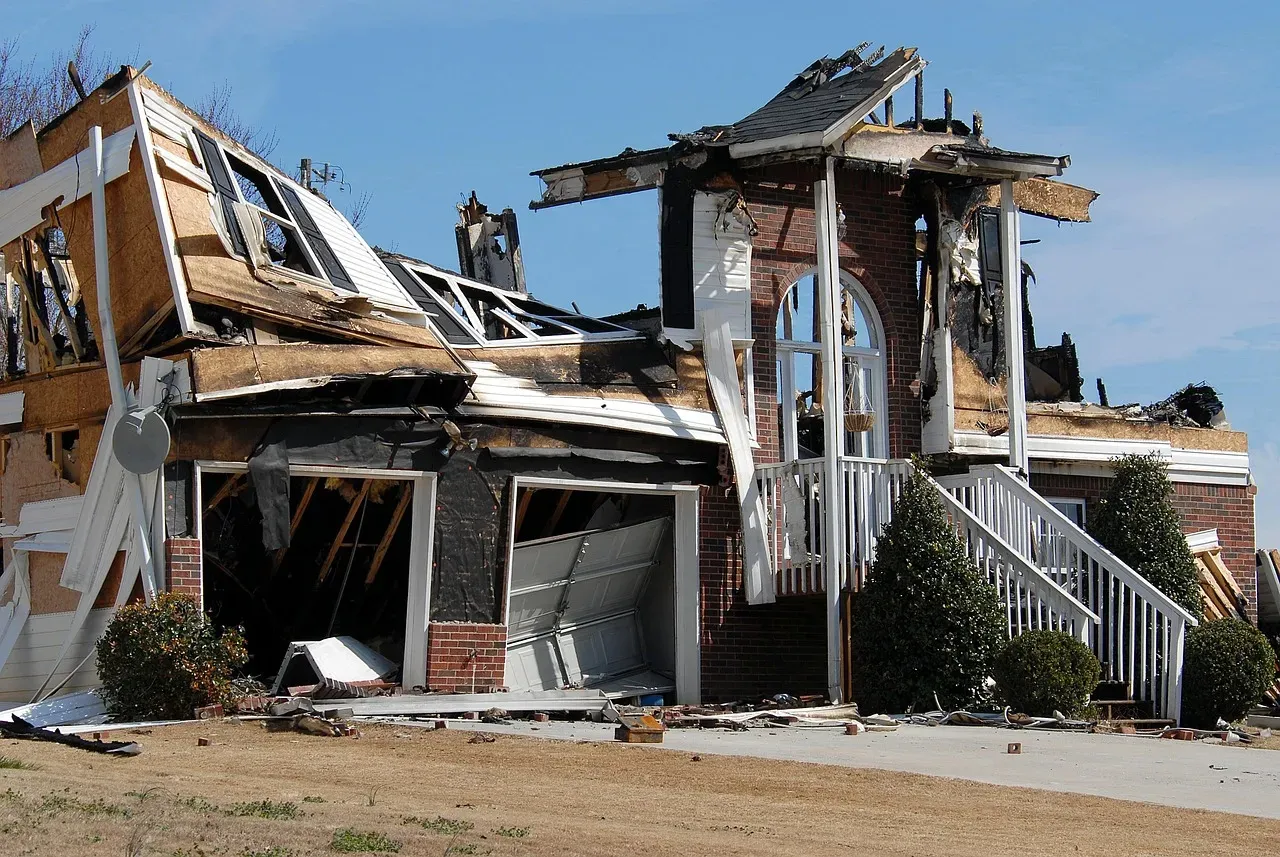
It’s estimated that over 4,000 fires are caused each year by wood-burning stoves, according to the United States Fire Administration, and wood-burning stoves are responsible for 150 deaths per year from carbon monoxide poisoning. S.
S. each year result in $326 million in property damage.
Those numbers translate into real-world consequences for policyholders. Insurance companies track every single claim, every fire origin, every potential liability.
When they spot patterns like this, they respond with either higher premiums or outright denials.
Kitchen Fire Claims Dominate Insurance Payouts
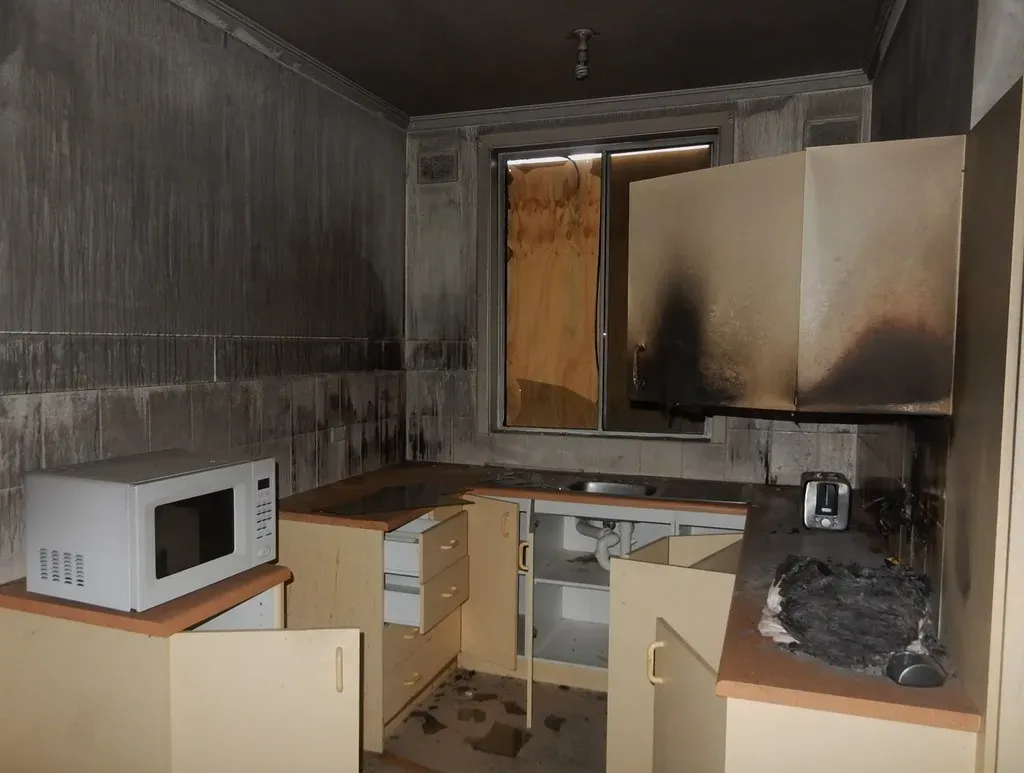
The kitchen represents ground zero for home insurance claims. 1 billion in property damage, with roughly 94 percent originating in the kitchen, and ranges or cooktop appliances implicated in more than 73 percent of those fire losses.
Think about that for a second. Nearly half of all residential fires start where you prepare dinner.
Nearly half of all residential insurance claims originate in the kitchen, bathroom, or laundry room. The kitchen isn’t just the heart of your home, it’s also the most dangerous room from an insurance perspective.
Why Insurers Get Nervous About Your Cooking Setup
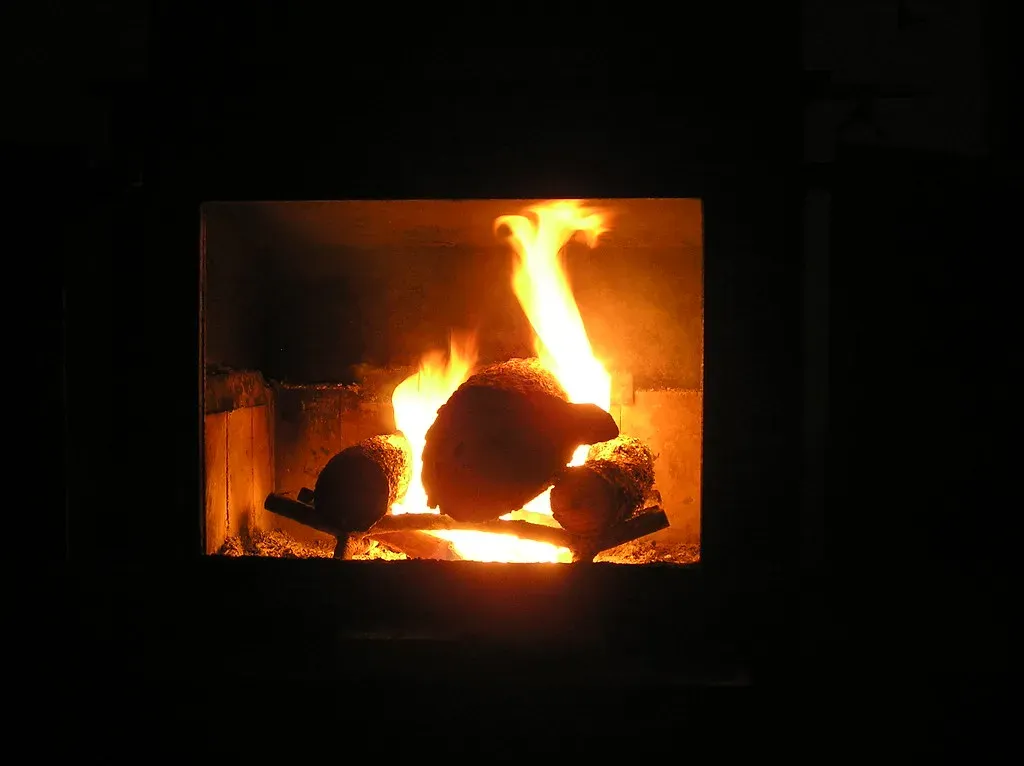
Wood stoves, unlike gas or electric fireplaces, involve direct flame, producing smoke, ash and creosote/soot buildup, which factors can significantly elevate the risk of fire. Insurance companies aren’t being difficult for the sake of it.
They’re calculating risk based on decades of claims data. The top two causes of residential fires are heating and cooking, with heating fires causing 36% of all residential fires.
” They either charge accordingly or walk away from the policy entirely.
The Disclosure Dilemma
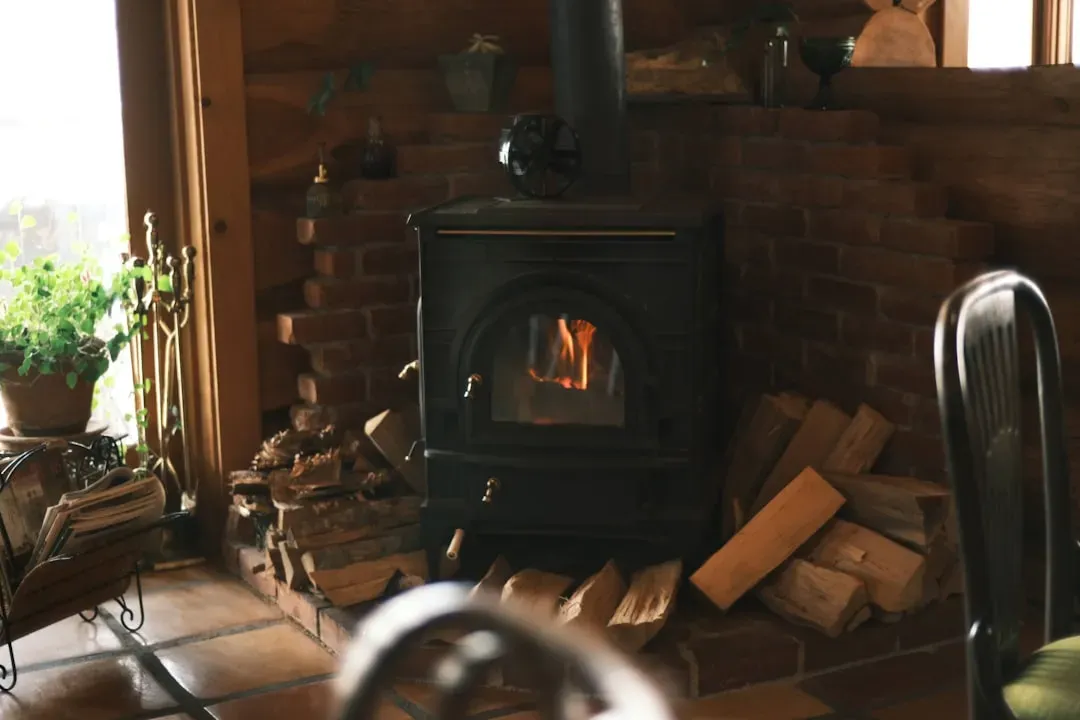
Most insurance experts recommend disclosing an existing or new wood stove to your insurance provider, and although this may increase your rates, failing to do so could result in a nonrenewal or even a denied home insurance claim down the road. If you’re installing a fireplace or woodburning stove, make sure to tell your insurer or your insurance policy could be voided when you make a claim.
Imagine discovering this after a fire destroys your kitchen. You file a claim expecting coverage, only to receive a denial letter citing non-disclosure.
Almost 3 in 10 claims on combined buildings and contents home insurance policies were rejected in 2023, according to figures from the Financial Conduct Authority.
Maintenance Requirements Can Break Your Coverage
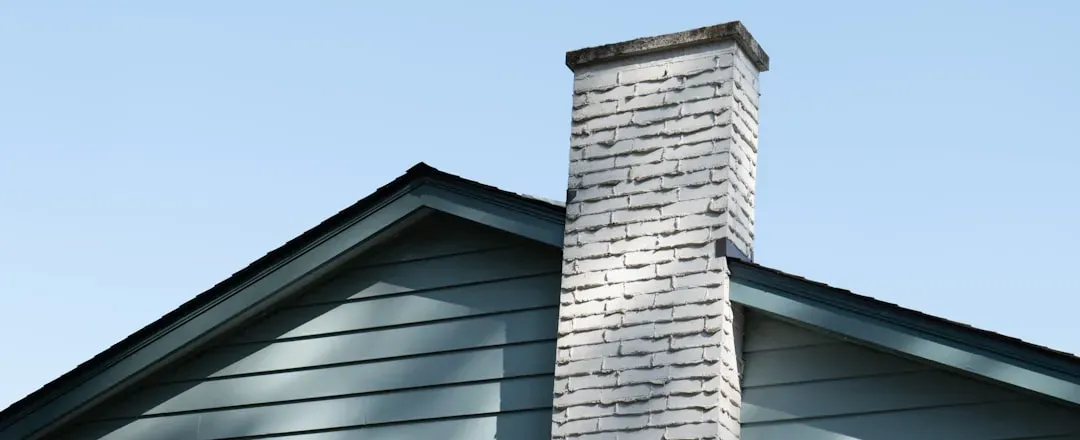
You’re responsible for routine maintenance such as getting your chimney cleaned regularly, and if you cannot prove that you do this then your claim may be denied if you need to make one. This isn’t a suggestion, it’s a policy requirement.
S. Fire Administration recommends having chimney and vents cleaned and inspected by a qualified professional at least once a year to identify potential risks, such as cracks in the chimney and creosote residue build-up.
Miss one annual cleaning and you might find yourself without coverage when you need it most. Insurance companies demand documentation, receipts, and proof of compliance.
The Renovation Trap

Kitchen remodels can give over 95 percent in recouped value, and with these renovations, you might end up paying more for dwelling coverage since the upgraded materials are worth more and would cost more to replace. Here’s what catches people off guard.
You install that beautiful wood-burning range or vintage stove during a kitchen renovation, thinking you’re adding value and charm. You should report these renovations to your insurer to make sure your coverage is adequate, because now that you’ve put in custom cabinets, hardwood floor, and top-of-the-line appliances, your old policy limits might no longer be enough.
If you fail to inform your insurer about these upgrades, they might reject your claim or drop your policy altogether.
What You Should Do Right Now
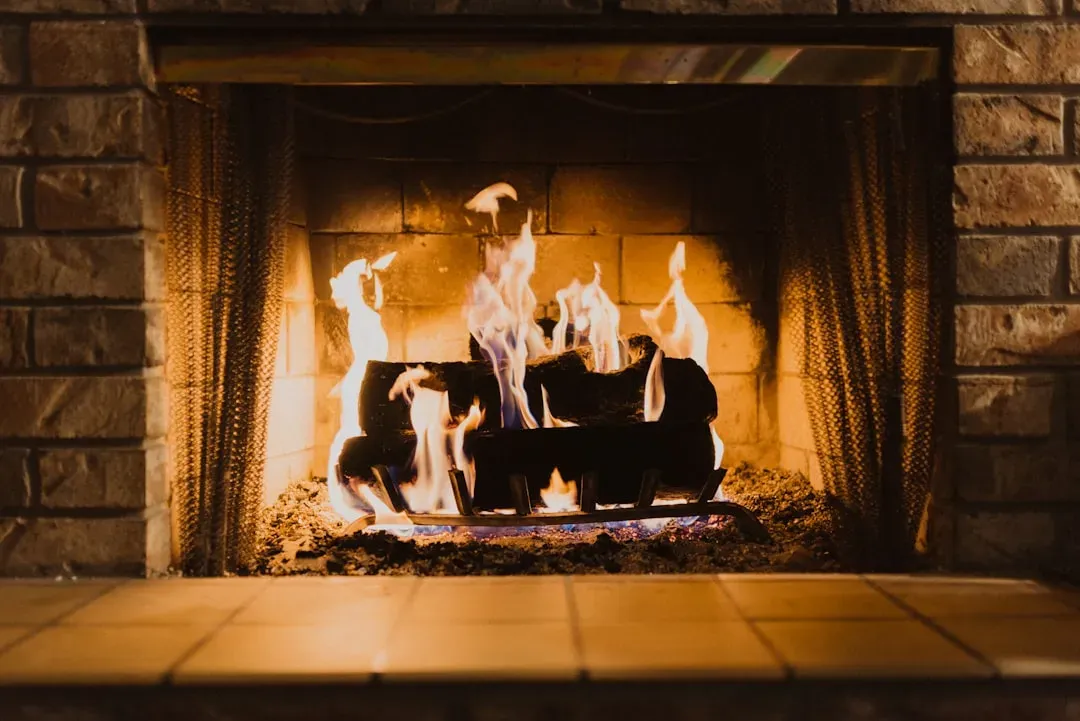
Contact your insurance provider before making any kitchen changes involving heating or cooking appliances. If you add a wood-burning stove to your home or are considering it, you should notify your insurer right away.
Get everything in writing. Ask specifically about coverage limitations, premium increases, and maintenance requirements.
Wood-burning fireplaces are more likely to result in a fire than gas-burning or electric fireplaces, and because some fireplaces are more likely to cause fires, you might see higher rates to offset that increase in risk. Document every inspection, every cleaning, every service call.
Keep those records for years because you’ll need them if disaster strikes. The alternative is risking everything you’ve built.
What do you think about these insurance requirements? Are they protecting homeowners or making coverage unnecessarily complicated?
Want more stories like this? Follow us and never miss out!
