
New local ordinances are reshaping how residents park vehicles on their own properties, with potential for warnings and fines starting February 1. The primary driver behind this change is to ensure streets remain clear and accessible for emergency vehicles. However, many families grappling with multiple cars and limited driveway space are expressing concern and confusion about the new regulations. This article will break down the ordinance, highlight common violations, and explain the enforcement and appeals processes, empowering homeowners to understand their options, whether that involves modifying their parking habits or contesting a citation.
Understanding the New Residential Parking Ordinance
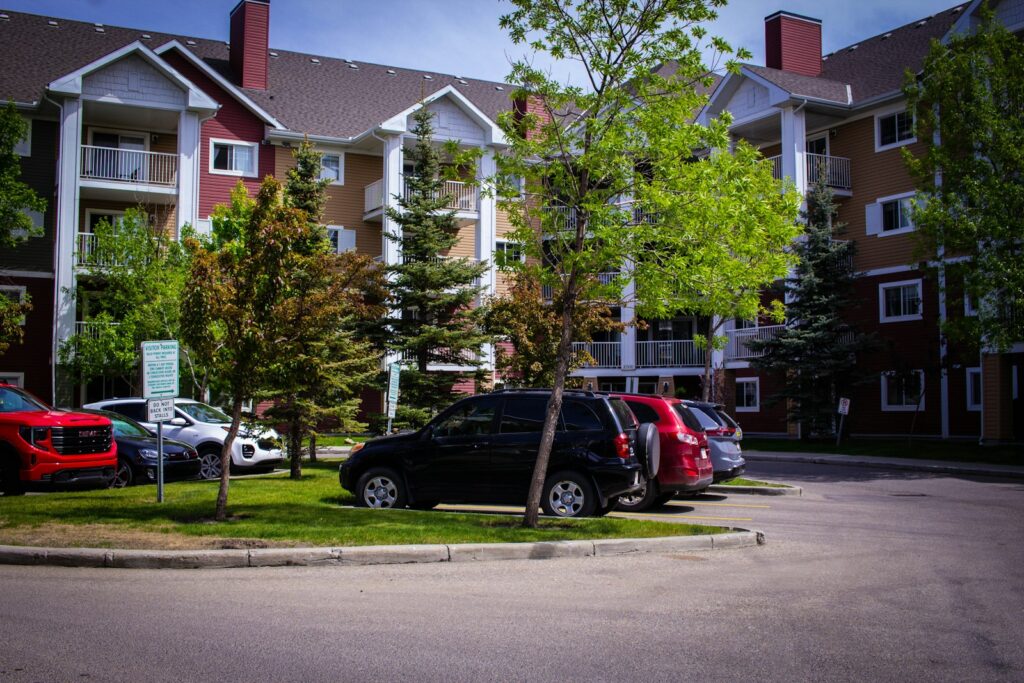
The recently implemented ordinance introduces specific restrictions on vehicle placement within residential lots. Key aspects include limitations on inoperable vehicles and oversized trucks, along with a phased enforcement approach that prioritizes education and warnings before issuing citations. Homeowners may encounter fines, potentially need to expand their driveways, and will face targeted code enforcement for persistent non-compliance.
Implementation and Key Provisions of the New Law
Effective February 1, the ordinance’s core objective is to maintain clear pathways for emergency responders by prohibiting parking that obstructs sidewalks, vehicles being parked on grass swales, and allowing the city to regulate inoperable vehicles and prolonged parking of large trucks on private residential property.
City officials have indicated that enforcement will initially focus on educating residents and issuing warnings. However, the city will be more stringent with individuals who are repeat offenders or have accumulated multiple complaints. It’s important to note that work trucks are still permitted as long as they adhere to the established parking guidelines.
Permissible and Prohibited Parking Areas on Private Property
Homeowners are permitted to park their vehicles on paved driveways and in designated off-street parking areas that meet city-approved standards. Parking on unpaved lawn areas, across sidewalks, or within public swales is now considered a violation of the code.
Garages and driveways that have been expanded, provided they comply with local setback requirements and impervious surface regulations, are acceptable parking locations. The ordinance now places restrictions on the long-term parking of commercial semi-trucks or other oversized vehicles on lawns or driveways. However, temporary parking for loading purposes or for active work-related activities may still be permissible under specific conditions outlined in the ordinance.
Fines, Enforcement Procedures, and Notification Requirements
The city has outlined an initial enforcement strategy that emphasizes education and warnings before the imposition of fines. Code officers are expected to document violations and, in many instances, issue a warning before proceeding with civil citations, particularly for first-time or minor infractions.
For violations that are repeated or particularly egregious, fines may be issued once the initial warning period concludes. Homeowners typically receive formal written notices that detail the specific violation, outline the necessary corrective actions, and provide a defined timeframe for compliance. Failure to address these notices can lead to escalated penalties, and in cases of unpaid fines, the city may even place liens on the property.
Driveway Expansion: Challenges and Considerations
Many households that own multiple vehicles may find it necessary to widen their driveways to comply with the new regulations. This process of driveway expansion typically requires obtaining permits from the city and must adhere to specific guidelines concerning setbacks, stormwater management, and the proportion of impervious surfaces allowed.
The costs associated with driveway expansion can be significant, and not all properties may have the physical capacity to accommodate larger paved areas without running afoul of zoning ordinances or Homeowners Association (HOA) rules. Homeowners contemplating driveway modifications are advised to consult with code enforcement or planning department staff early in the process to understand the permit requirements and to explore potential alternative solutions, such as securing off-site parking or arranging for temporary vehicle storage.
Key Concerns, Resident Dissatisfaction, and Enforcement Protocols
The new legislation tightens regulations on where vehicles can be parked and clarifies responsibility for damages caused by improper parking. Residents have voiced concerns about potential fines, the possibility of their vehicles being towed from private property, and uncertainty regarding liability if a vehicle is damaged while parked at their residence.
Unauthorized Parking and Liability for Damages
The definition of unauthorized parking now extends to vehicles left in yards, easements, or guest parking areas without explicit written consent. Violations can trigger fines based on HOA rules or municipal codes. Homeowners may face penalties even if the vehicle is situated on their driveway apron or a paved section of their front yard.
Liability for any damage incurred depends on who has jurisdiction over the parking space. If the HOA or the city designates the area as common property or an easement, the homeowner might still be fined, while the association could pursue the vehicle owner for repair costs. If a neighbor causes damage to a parked vehicle while attempting to enforce rules or move it, liability would generally fall upon the party that acted negligently.
Homeowners are encouraged to document the placement of their vehicles with photographs, retain copies of any permits or approvals they possess, and keep records of all communications to effectively contest fines or claims. While homeowner’s insurance may cover damages from vandalism or collisions, it typically does not extend to towing costs or administrative fines.
Illegal Parking, Driveway Obstructions, and Community Reactions
Illegal parking that obstructs a driveway, fire lane, or sidewalk presents immediate safety hazards and access issues. Blocked driveways, in particular, can impede emergency vehicle response times and are often treated as high-priority violations by enforcement officers. Some residents have expressed frustration over instances where repeat offenders seemingly receive only warnings, while compliant homeowners face fines for minor infractions.
Communities often respond to violations by notifying the vehicle owners, affixing violation tags, and scheduling hearings before fines are imposed. Homeowners’ associations that adopt clear, consistent written policies and publicize a timeline for violations (notice period, cure period, fine imposition) tend to experience fewer disputes. Neighbors are encouraged to report violations by providing photographic evidence and timestamps to support enforcement actions.
Proactive community measures, such as petitioning the board for more explicit signage or establishing designated guest parking zones, can often resolve tensions more effectively and efficiently than resorting to legal action.
Towing Procedures and Subsequent Actions
Towing vehicles from private property typically requires adherence to specific notification and signage requirements mandated by local jurisdictions. Towing companies generally must verify authorization from the property owner or HOA before removing a vehicle. Subsequently, they must post or mail a notice detailing the process for reclaiming the vehicle and outlining applicable fees.
Following a tow, vehicle owners are typically responsible for a combination of towing charges, daily storage fees, and any fines levied by the association. Failure to retrieve a vehicle promptly can lead to escalating costs and potential lien actions if outstanding fines are not settled. Contesting a tow generally necessitates providing proof of legal parking, such as photographs, permits, or witness statements, and promptly initiating appeals with the towing company, HOA board, or the relevant municipal towing review office.
Maintaining thorough records of all correspondence, receipts, and photographic evidence can expedite the resolution process and support requests for refunds or reduced penalties when wrongful towing or procedural errors can be demonstrated.
