
The right window treatments can dramatically transform a space, either elevating its design or completely undermining it. While curtains remain a popular choice, navigating the sheer variety available requires careful consideration to avoid creating an outdated look. As we look ahead to 2026, understanding emerging curtain trends and, just as importantly, what’s falling out of favor, is key to making informed design decisions. Expert advice and social media insights point towards a new era of window dressing that prioritizes intentional drama, visual interest, and personalized style. To steer clear of common design pitfalls, it’s essential to identify and abandon outdated curtain trends.
Outdated Curtain Trends to Ditch in 2026
Here are the curtain styles and approaches that are no longer on-trend and should be reconsidered for a fresh, modern look:
-
Clunky Old Rods
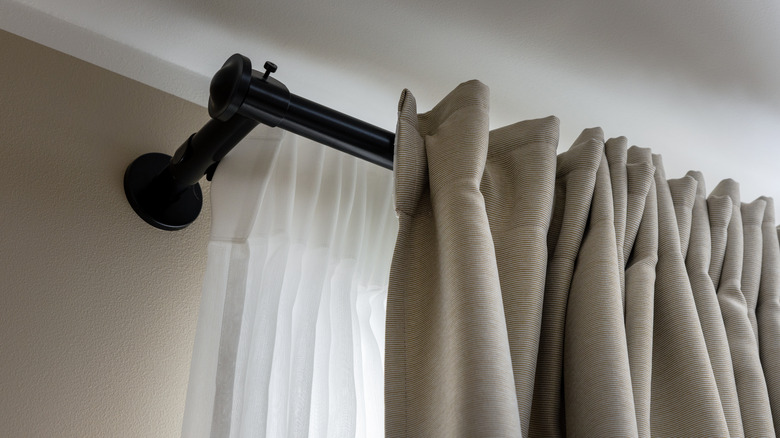
The hardware holding your curtains is just as critical as the fabric itself. Outdated curtain rods, particularly those with bulky grommets or excessive ornamentation, can instantly signal that a design hasn’t been updated. These conspicuous and often difficult-to-operate systems can detract from a room’s overall aesthetic. Instead, consider the sleek and functional appeal of ceiling-mounted tracks. This modern solution offers a discreet profile and makes opening and closing curtains effortless, enhancing both the practicality and visual elegance of your window treatments. -
Flat or Basic Curtains
The trend towards flatness is receding in 2026. This extends beyond walls and decor to drapery. Curtains that hang limply without any texture or movement can drag down a room’s design. Basic, uninspired curtains are a relic of the past. Embrace drapery that offers pleats, billowy folds, or subtle textures. This added dimension and movement create visual interest and depth, a significant upgrade from monotonous, flat panels that offer no visual appeal. -
Uniform Style Curtains
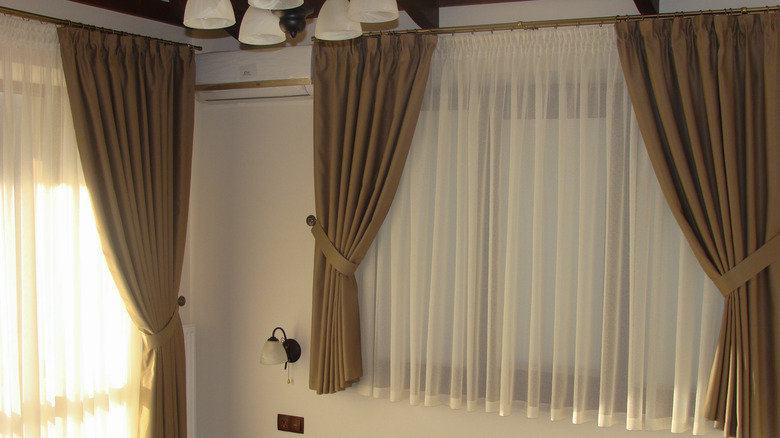
Window treatments are not a one-size-fits-all solution. A common design misstep is using the exact same curtains for every window, or worse, for every room. Curtains should be thoughtfully selected and customized to suit both the specific space and the individual window. While cohesion is important, and curtains should complement the room’s overall design, intentional variation in size and style for each window can enhance the design with added depth and contrast, making each space feel unique and considered. -
Overly Matching Color or Pattern
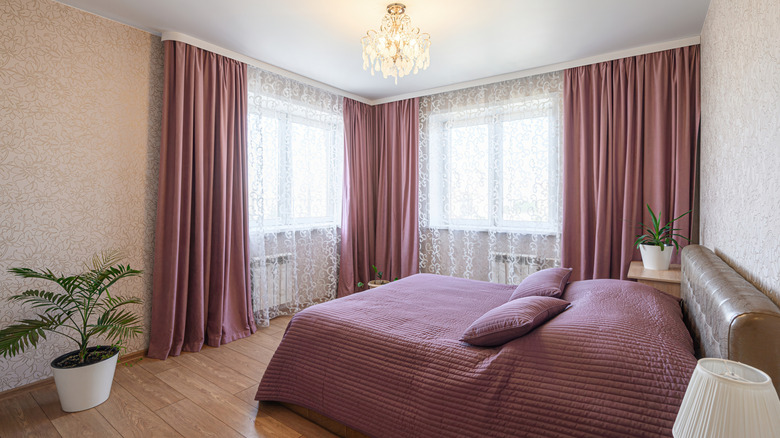
Even if your curtains have texture and aren’t uniform, an overly matched color scheme or pattern can still feel dated. When the colors or patterns of your curtains are too similar to the surrounding decor or to each other, the result can appear stale and uninspired. The goal is to complement, not to create a perfect, monotonous replica. Curtains that subtly echo elements of the room’s design or play off other window treatments will guide the eye around the space, creating a pleasing visual flow that feels natural and intentional. -
Valances
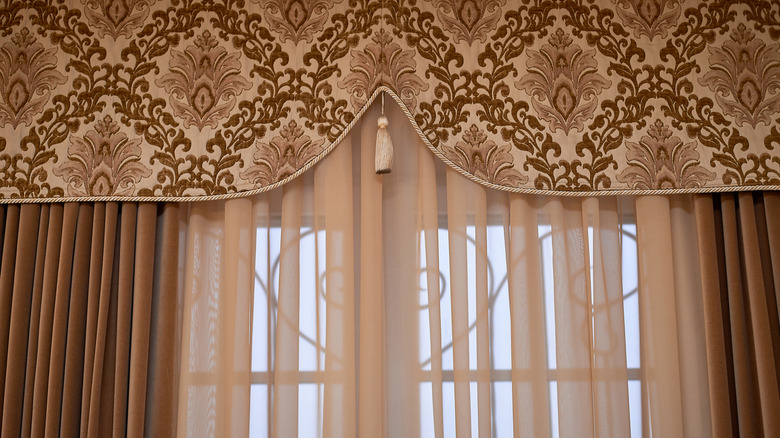
While certain elements of craftsman-style decor are making a comeback, decorative valances are an exception. These shorter, horizontally placed panels at the top of longer curtains, traditionally used to add shape and layering, are falling out of favor. The desire for layered window treatments remains, but the method is evolving. Instead of dated valances, achieve a similar effect by layering different materials. For instance, combining fabric curtains with roller shades offers a sophisticated mix of textures and depth, providing a unique and modern alternative to basic window coverings. -
The Wrong Curtain Length
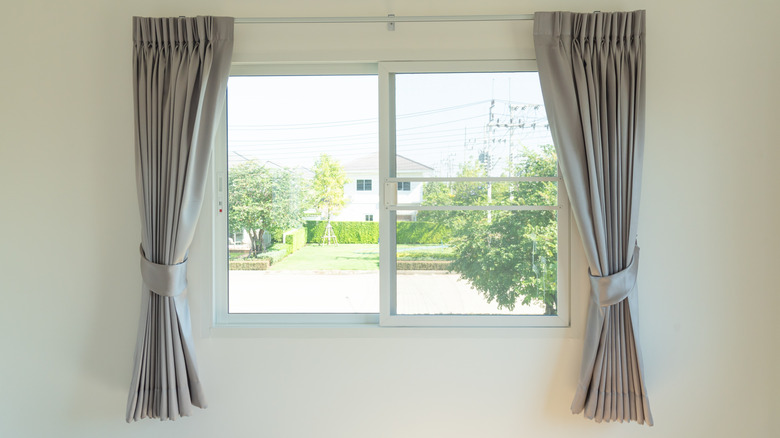
The precise length of your curtains is a critical detail that’s seeing an update in 2026. Interior designers are advising against curtains that barely graze the windowsill. The current trend favors floor-length drapery, ideally with a slight pooling at the bottom for a luxurious feel. Furthermore, the height at which you hang your curtains matters. Instead of positioning them directly above the window frame, consider hanging them closer to the ceiling. This elevated placement adds a sense of drama and visually expands the perceived height of the room. -
Overly Decorative or Ornate Curtains
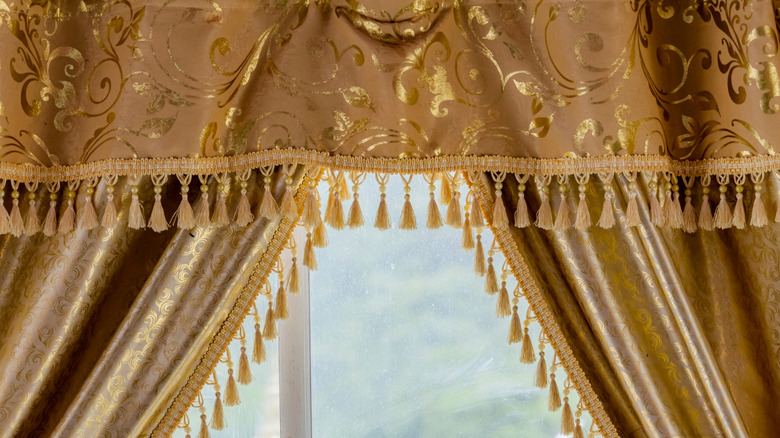
While design trends are moving away from extreme minimalism, an abundance of overwhelming details isn’t the answer either. Past curtain trends sometimes veered into overly decorative territory with excessively bold patterns or fussy embellishments. For those seeking opulent elegance, contemporary choices offer a more refined approach. Velvet drapes or the delicate layering of lace can create a sense of grandeur and drama without appearing dated or cluttered. These options provide a sophisticated way to achieve a rich, traditional aesthetic. -
Single Curtains
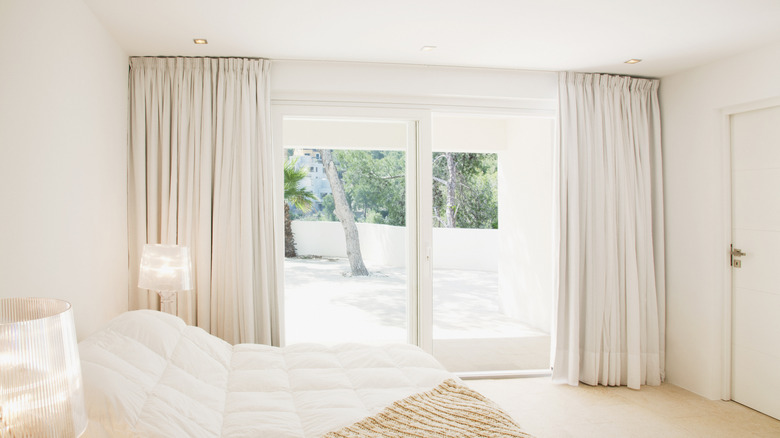
In 2026, the emphasis on texture and layering makes single, unadorned curtains feel outdated. A stylish and functional way to incorporate this trend is by layering different types of curtains. For example, pairing a blackout curtain with a more sheer or decorative panel offers both visual interest and practical benefits. This layered approach not only adds dimension but also provides excellent light control. Keep the blackout curtain open during the day to enjoy natural light, and draw it closed at night for enhanced privacy. -
Gray Curtains
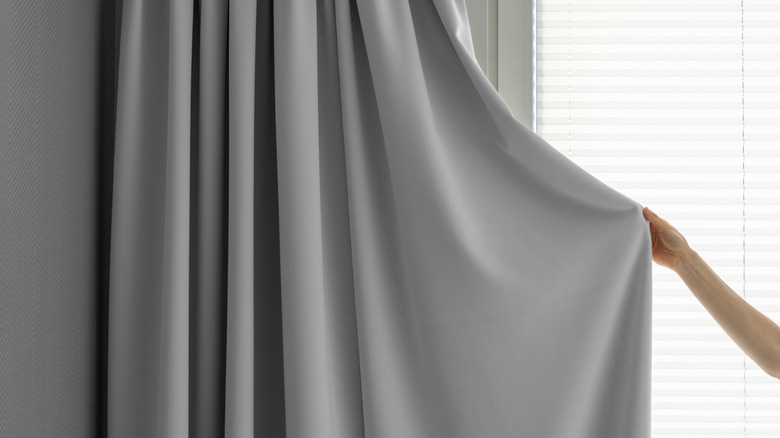
Much like in other areas of interior design, the ubiquitous millennial gray is no longer the go-to for curtain trends in 2026. While once a popular neutral, the preference has shifted towards warmer tones. Earthy hues such as beige, brown, and terracotta are gaining significant traction. Utilizing these warmer colors in your curtains can introduce a sense of coziness and subtle color, acting as a grounding element for the entire space. Gray can now feel too cool, so it’s best to embrace the warmer palette for a more current look.
