
For decades, the all-white kitchen has reigned as the gold standard in home design. Clean, bright, and endlessly versatile, it became the safe choice for anyone renovating or selling.
Walk into almost any home built or remodeled in the last 15 years and you’d likely find yourself surrounded by white cabinets, white countertops, and white backsplashes stretching as far as the eye could see. Yet something is quietly shifting.
Designers are noticing it in client consultations. Homeowners are admitting it in design forums.
That once-unshakable allegiance to stark white kitchens is starting to crack, replaced by a desire for something warmer, richer, and honestly, more livable.
The Statistics Tell a Story
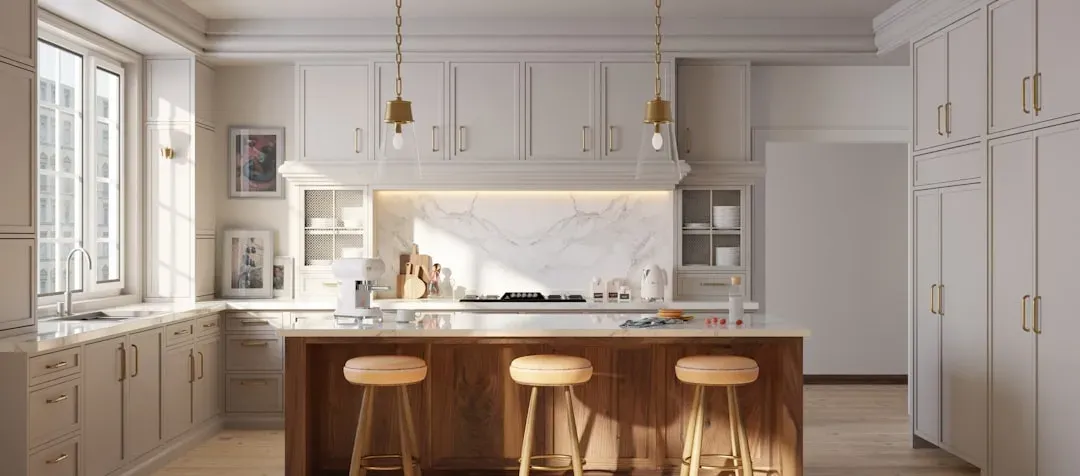
According to the 2025 NKBA Kitchen Trends Report, only 29% of designers still prefer the traditional all-white kitchen. Let that sink in for a moment.
Less than a third of design professionals are still championing the look that dominated Pinterest boards and home renovation shows for years. S.
Kitchen Trends Study, which polled 2,380 people on their renos and design decisions. That suggests people are actively moving away from what once felt safe and universal.
What was once considered timeless is now starting to feel, well, tired.
Why White Kitchens Are Losing Their Grip

Let’s be real: white kitchens never really went anywhere by accident. They offered undeniable advantages.
They made small spaces feel larger, reflected light beautifully, and appealed to a wide range of buyers when it came time to sell. It was the ultimate neutral canvas, perfect for anyone who wanted to swap out accessories without committing to bold design choices.
The chief complaint regarding all-white kitchens that were trending a few years ago was that they felt overly sterile, and now people are moving away from those stark white kitchens and embracing warmth and vibrant shades that inspire creativity and feel more joyful. The problem is that perfection doesn’t always translate to comfort.
Think about it. Have you ever walked into a blindingly white kitchen and felt genuinely relaxed?
Or did you immediately worry about leaving a coffee ring on the counter? The sterile, almost clinical feeling of all-white spaces started to wear thin, especially as people spent more time at home.
Life happens in kitchens. Toast crumbs fall.
Sauce splatters. Kids do homework at the island.
A space that looks like it belongs in a showroom doesn’t exactly invite you to cook Sunday dinner.
Enter the New Neutrals

Here’s where things get interesting. Designers aren’t abandoning neutrals altogether.
Instead, they’re reimagining what “neutral” means in the first place. Today’s neutrals are shifting, with cool tones like bright white and silvery gray being replaced by a warmer and richer neutral palette, with neutrals shifting warmer overall.
We’re talking about shades like mushroom, taupe, greige, cream, and soft putty tones. Shades like mushroom and taupe are stepping into the spotlight, bringing warmth and depth without feeling dark or heavy.
These colors aren’t loud or aggressive. They don’t scream for attention.
What they do is create a foundation that feels grounded, inviting, and infinitely more forgiving than stark white ever was.
Cream Makes a Comeback
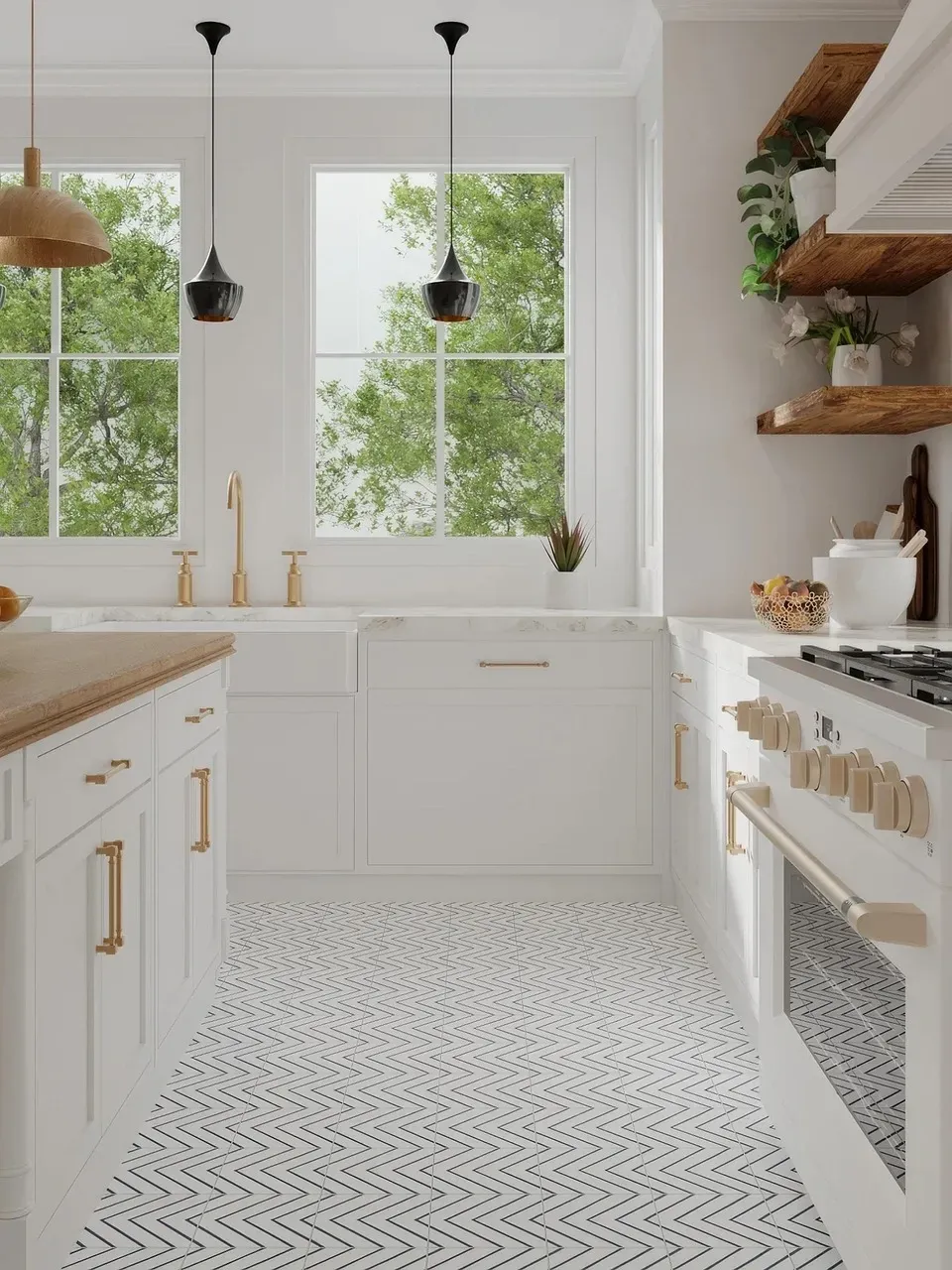
If you thought cream was stuck somewhere in the 1990s alongside floral wallpaper, think again. Stark shades of white are being replaced with a warmer, richer alternative, cream, and this once seemingly outdated hue is returning to kitchens, creating a softer, cozier feel.
Cream offers all the brightness of white without the cold edge. It plays nicely with both warm and cool accents, making it ridiculously versatile.
Whether you’re pairing it with brass hardware and marble countertops or keeping things casual with natural wood and woven textures, cream adapts without losing its warmth. It’s like white went to therapy and came back with better boundaries and a healthier emotional range.
Greige Takes Center Stage Greige has been lurking in the background for years, but now it’s having a proper moment. Greige lends kitchens an air of sophistication and elegance, and as a neutral hue, it’s increasingly popular in interior design.
The beauty of greige lies in its balance. It’s not too warm, not too cool.
It doesn’t lean beige enough to feel dated or gray enough to feel cold. Interestingly, greige as a trending color is past its prime in some markets, with designers noting it isn’t as popular as it once was, and homeowners are leaning more toward richer, earthier tones.
That said, the shift isn’t away from greige entirely but toward deeper, more saturated versions of it.
Warm Woods and Natural Materials Rejoin the Party
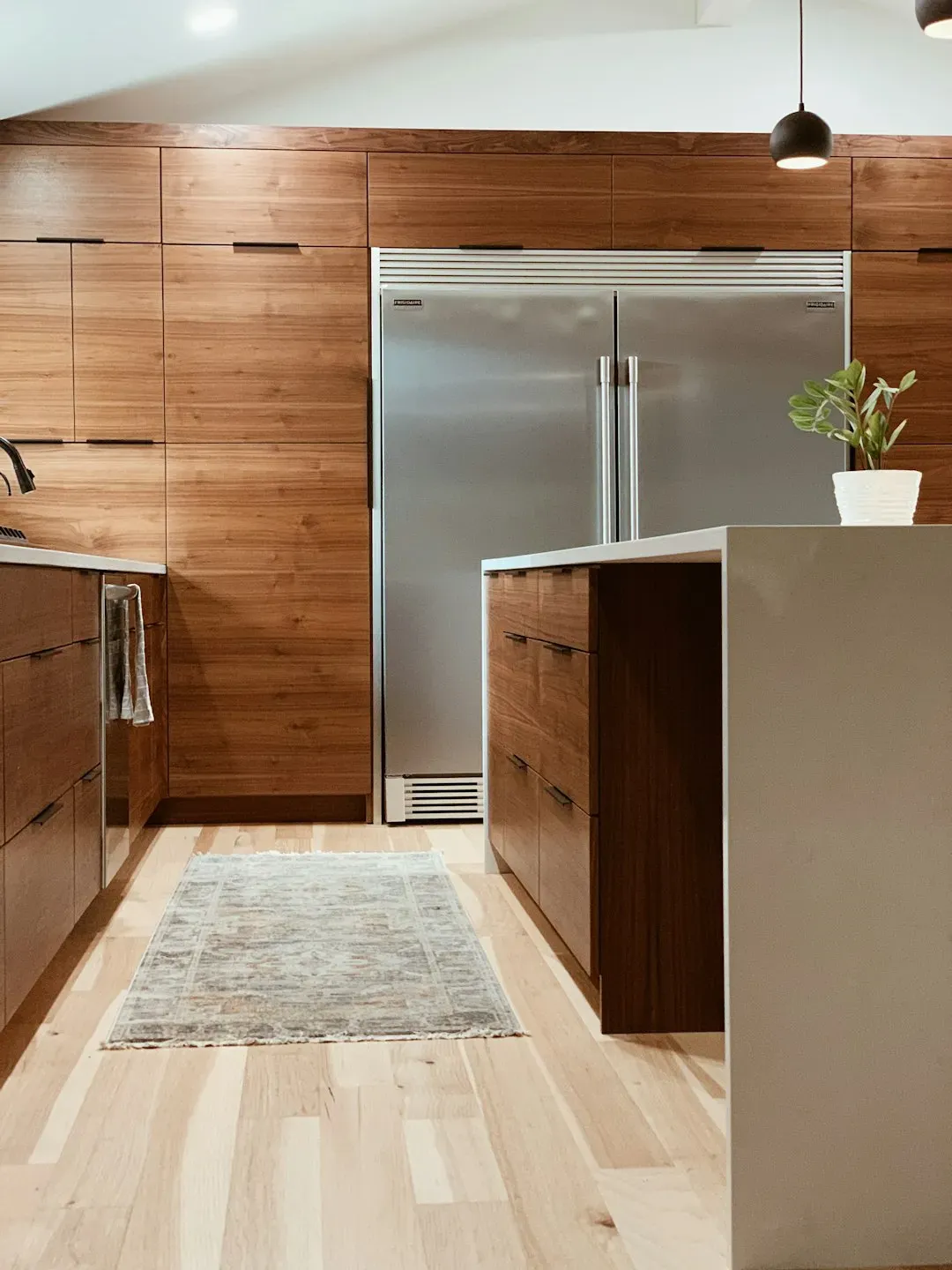
While we’re discussing color shifts, it’s impossible to ignore the return of natural wood finishes. There’s a big return to authentic wood finishes in 2025, with cabinets made from walnut, oak, ash, or whitewashed wood offering rich grain patterns and organic texture that white sometimes lacks, adding depth and character.
Wood cabinetry doesn’t just look good. It feels intentional, lived-in, and deeply personal.
It’s hard to make a walnut cabinet look sterile, no matter how hard you try. The grain, the knots, the subtle variations in tone all work together to create visual interest that a flat white slab simply can’t match.
Honestly, I think there’s something calming about knowing your kitchen doesn’t need to be perfect to be beautiful.
Green Steals the Spotlight
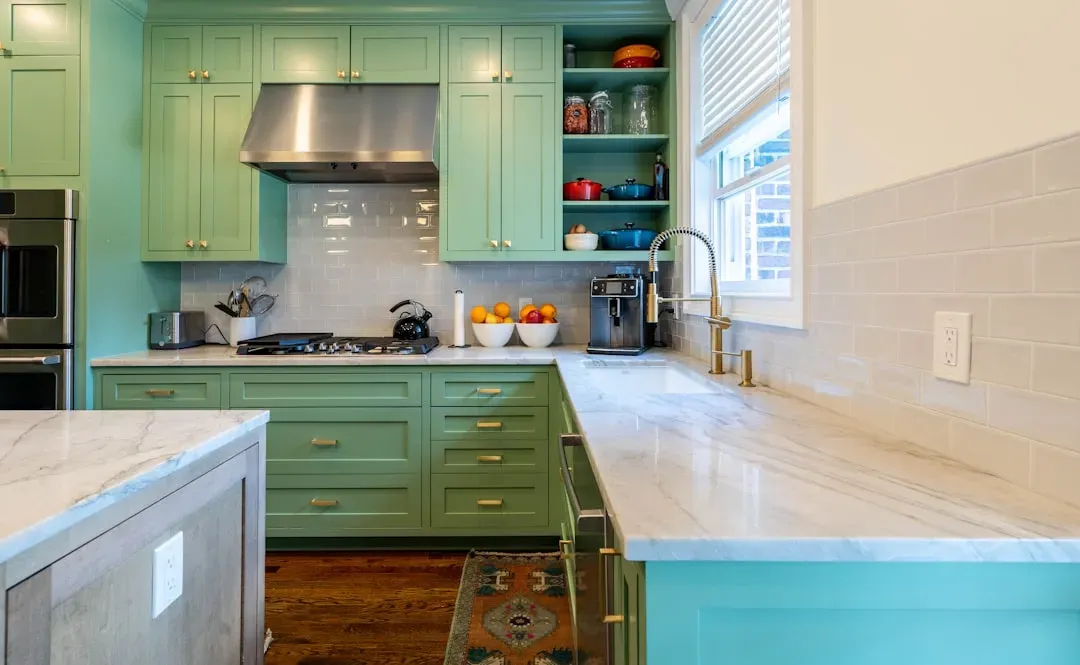
The trending kitchen color of 2025 will, once again, be all hues and shades of green, according to the National Kitchen and Bath Association’s survey of industry experts, with 76% of respondents selecting green as the top shade for kitchens. That’s not a slight majority.
That’s an overwhelming consensus. From soft sage to deep forest tones, green offers everything homeowners seem to crave right now.
It’s nature-inspired, calming, and surprisingly versatile. Pair it with warm brass hardware and it feels luxurious.
Combine it with white oak and it reads fresh and modern. Layer it with terracotta and suddenly you’ve got a kitchen that feels like a sunlit Mediterranean villa.
Green also has the emotional advantage of feeling optimistic without being overly cheerful. It’s grounded but not heavy.
It’s the color equivalent of a deep breath after a stressful day.
Deep, Moody Tones Are Making Waves
Not everyone is going soft and earthy. Some homeowners are leaning hard into drama.
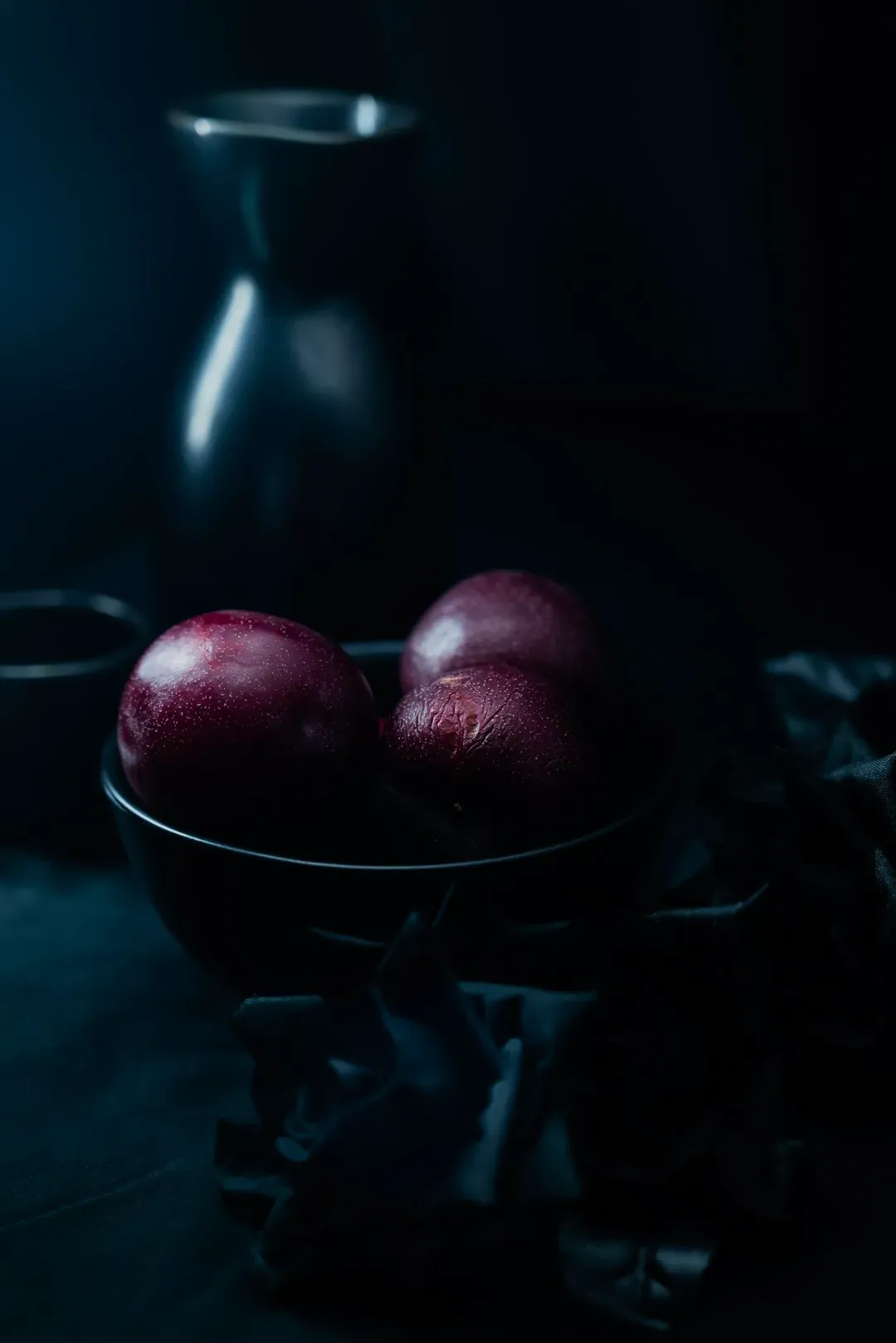
Burgundy kitchens dominated trends last year, but in 2026, cabinet colors are getting slightly darker and richer, with people looking for fresh new colors like plum and oxblood that feel bold but still familiar, and both are steeped in history but work well in contemporary environments. These aren’t your grandma’s jewel tones.
They’re sophisticated, grounding, and unexpectedly versatile. Rich gemstone colors pair well with unlacquered brass, polished nickel, marble, warm woods, and natural fiber window treatments.
The key is balance. A plum-colored island against warm cream walls feels intentional.
An entirely plum kitchen might feel like you’re dining inside a velvet jewelry box.
Two-Tone Kitchens Offer the Best of Both Worlds
Can’t commit to ditching white entirely? You don’t have to.
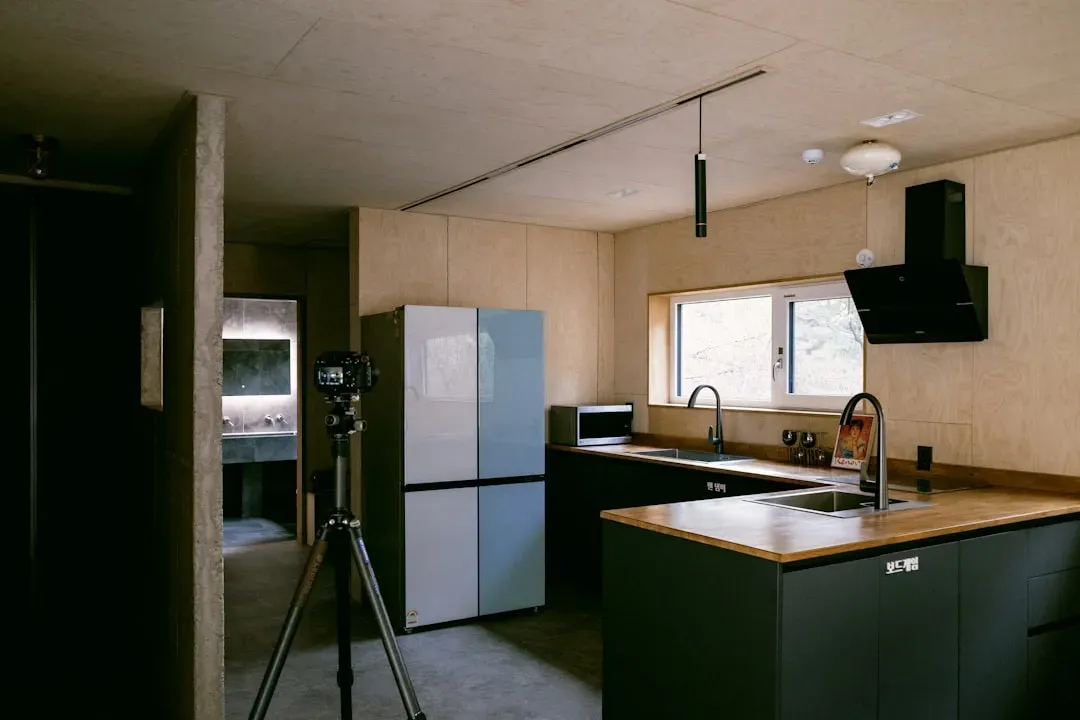
Two-tone kitchens are a top trend heading into 2026, often featuring a lighter upper cabinet and a deeper lower cabinet or island, adding dimension and visual interest without overwhelming the space. This approach lets you keep the brightness and airiness of white where it counts while introducing warmth and personality at eye level.
It’s a compromise that doesn’t feel like settling. You get contrast, depth, and a kitchen that looks custom and considered rather than cookie-cutter.
What This Means for Resale Value
Okay, here’s the part where practical concerns creep in. If you’re planning to sell your home in the next few years, should you panic about moving away from white?
Probably not. The NKBA’s 2025 report reveals that 71 percent of homeowners now want personalized kitchens with color.
The tide is turning. Buyers aren’t just accepting warmer neutrals – they’re actively seeking them out.
A well-executed greige or cream kitchen with thoughtful details will likely appeal to more people in 2026 than a generic all-white box. The key is choosing colors that feel timeless rather than trendy.
Mushroom and taupe will age better than millennial pink.
Making the Transition Work in Your Space
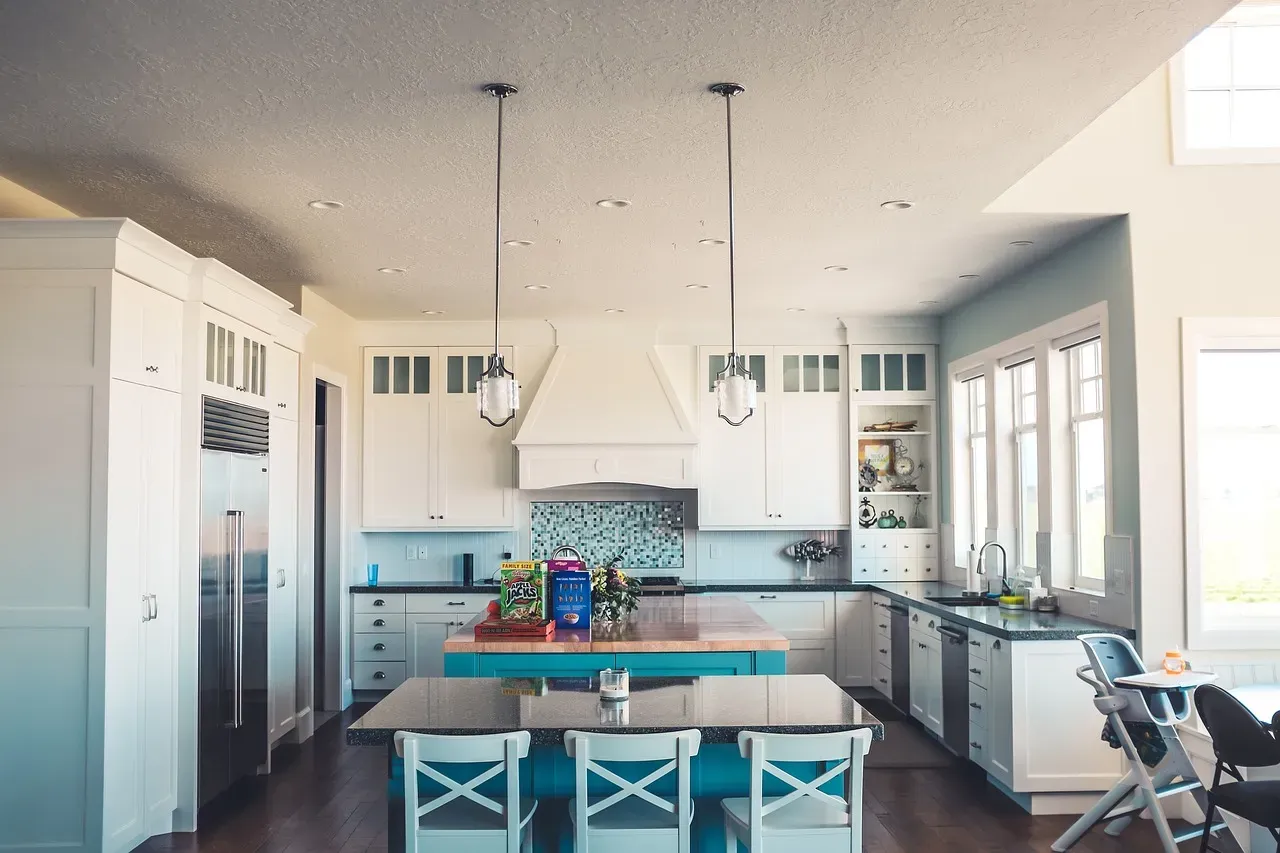
If you’re itching to move away from white but not ready to commit to a full renovation, start small. Adding contrast is one of the most popular ways to shift your kitchen’s vibe, and if your kitchen is mostly white or wood, a bold island gives the room a fresh focal point, with colors like Farrow & Ball’s Studio Green or Clare’s Dirty Chai feeling cozy without being overwhelming.
Paint is your friend here. It’s reversible, relatively affordable, and transformative.
Swap out hardware for something warmer in tone, like brushed brass or oil-rubbed bronze. Layer in natural textures through cutting boards, woven baskets, or linen towels.
These small shifts signal intention without requiring a second mortgage. What do you think?
Are you ready to say goodbye to the all-white kitchen, or are you holding onto yours for dear life? Tell us in the comments.
Want more stories like this? Follow us and never miss out!
