
Property taxes are one of the most consequential and often underestimated costs of owning a home in the United States. Unlike a mortgage, they never fully disappear – they follow you for as long as you own your property.
S. S.
Census Bureau, and residents in the 26 states that levy vehicle property taxes pay an additional $499 annually.
How Property Taxes Actually Work

Property taxes are annual local taxes calculated using the home’s assessed value and the community’s tax rate, and they can significantly affect your monthly housing budget. The mechanism behind the number on your bill involves two key components.
Your local tax assessor calculates your property tax using formulas determined by the state. They do this by giving your property an assessed value, which is not the same as your home’s market value, and then applying what’s known as a mill rate – a tax rate expressed in thousandths.
4 percent of total state and local tax collections in the United States, more than any other source of tax revenue, despite being levied almost exclusively at the local level. Local governments rely heavily on property taxes to fund schools, roads, police departments, fire and emergency medical services, and other services associated with residency and property ownership.
2 percent of local tax collections in fiscal year 2022.
The States With the Lowest Property Taxes

S. 27%, thanks to the highest median home value in the country ($875,900) and median real estate taxes of $2,385 per year.
The reason Hawaii can maintain such a minimal rate is structural. Hawaii can maintain such a low rate because schools aren’t primarily funded through property taxes like they are in higher-tax states.
Alabama is generally one of the more affordable states in the country. 38%, it has the second-lowest effective property tax rate nationwide and a median home value of $233,300.
If you’re looking for the lowest actual property tax bills in dollars, West Virginia has a median annual property tax of just $835, followed by Alabama at $738. 38%) with relatively affordable median home values ($195,100), resulting in some of the lowest property tax bills in the country.
The States With the Highest Property Taxes
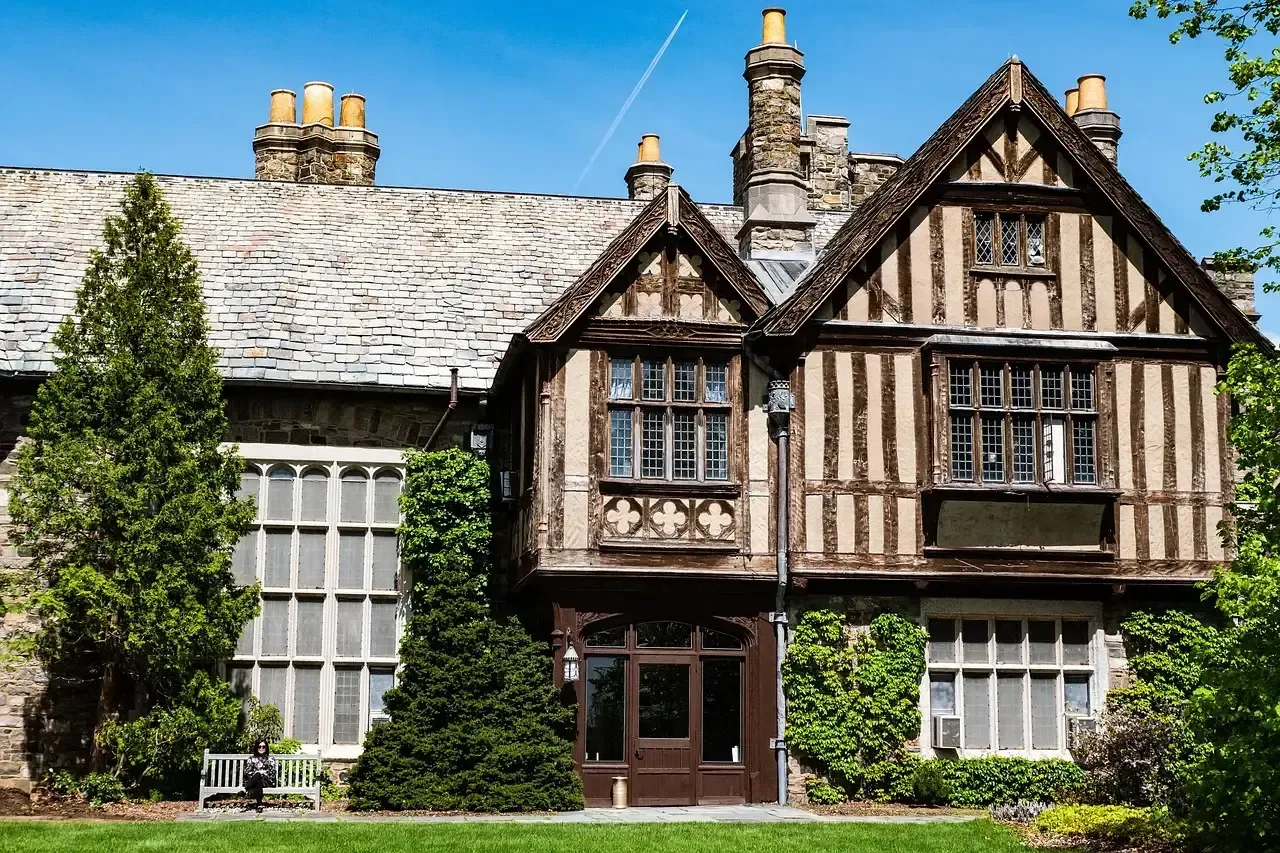
23%, according to the most recent data from the Tax Foundation in 2025. The median annual property tax payment in New Jersey is $9,541 based on the state’s median home value of $427,600.
This means a homeowner with a median-valued home pays nearly $800 monthly just in property taxes. The comparison with low-tax states is staggering.
92%. The high rates in these states are largely driven by heavy reliance on property taxes to fund public education and local services.
At the city level, the concentration of high-tax communities is telling. The top 20 cities with the highest property taxes are all located in New Jersey, Illinois, Connecticut, or New York state.
The High-Tax Paradox: No Income Tax States That Lean on Property

One of the most counterintuitive realities of the American tax landscape is that some states with no income tax end up having very high property taxes. New Hampshire operates differently from most states because it doesn’t have a state income tax or general sales tax.
This means property taxes carry the primary burden of funding local services and education. The result is a significant burden on homeowners.
Some states with high property taxes, like New Hampshire and Texas, rely heavily on them in lieu of other major tax categories. This often involves greater devolution of authority to local governments, which are responsible for more government services than they are in states with greater reliance on state-level revenues like income or sales taxes.
Texas is a prime example of this trade-off in action. As of January 1, 2026, the state has further reduced the maximum compressed tax rate for school districts by over 3 cents, shifting more of the school funding burden from local homeowners to the state.
Vehicle Property Taxes: The Hidden Extra Cost

Beyond real estate, some states impose a separate layer of taxation that many people overlook entirely: vehicle property taxes. Vehicle property tax is divided sharply across states.
More than half – including California, Florida, Texas, and New York – do not impose an annual vehicle property tax. Where they do exist, the rates vary enormously.
States with zero vehicle property tax include Hawaii, Idaho, Delaware, Tennessee, and 20 others. 61%) represent the low end among states that do levy this tax.
For households making a relocation decision, these vehicle levies deserve attention alongside real estate rates. S.
S. Census Bureau, and residents in the 26 states that levy vehicle property taxes pay an additional $499 annually.
Exemptions, Deductions, and Ways to Lower Your Bill

For many homeowners, there are legitimate pathways to reduce what they owe. Seniors: Many states give property tax relief to seniors over a certain age, commonly 65 – this exemption may also come with an income limit.
Disabled: People with permanent disabilities often qualify for property tax exemptions. Homestead: In states with a homestead exemption, a homeowner’s property taxes are reduced, often by a percentage or up to a certain amount.
While all 50 states offer some sort of property tax exemptions for disabled veterans, the newest research and analysis uncovered 22 states with no property tax for disabled veterans, meaning eligible veterans are completely exempt from paying any property tax on their primary residence. For those considering relocation or investment, factoring in state and local property tax burdens alongside overall cost of living is increasingly important in 2026’s competitive environment.
Consulting up-to-date property taxes by state data helps in comparing total cost scenarios for both primary residences and investment assets. Understanding available exemptions before purchasing a home can save thousands of dollars annually over the life of your ownership.
Want more stories like this? Follow us and never miss out!
