
Navigating the world of nurseries and plant shops can be a delightful experience, offering a chance to dream up your next landscaping project or simply find a beautiful new addition for your home. Behind the scenes of these inspiring environments are dedicated professionals who meticulously care for their botanical offerings and patiently answer a multitude of customer questions. To help you make the most of your visit and foster positive interactions, we’ve gathered insights from experts in the field.
Timing is Everything: When to Visit the Nursery
When you’re ready to embark on a gardening endeavor, whether it’s a casual browse or a focused shopping trip, choosing the right time to visit your local nursery or plant shop is crucial. Some days are naturally busier than others, and understanding these peak times can significantly enhance your experience.
- Avoid Peak Rush Hours: Weekends, particularly during the spring season, tend to be the busiest. Additionally, the periods immediately before or after significant weather events often see a surge in visitors.
- Pack Your Patience: Just as hairdressers often find themselves acting as informal therapists, plant professionals frequently field a wide range of questions, from plant preferences and care habits to unofficial landscape design advice. Be prepared for potential wait times, as staff will be assisting other customers. Extend the courtesy you’d expect to receive.
Trust the Experts: Letting Professionals Guide Your Choices
The individuals who work in nurseries and flower shops are deeply passionate about their products and genuinely enjoy collaborating with customers to achieve the perfect outcome.
- Floral Arrangements: When ordering custom flower arrangements, whether by phone or online, consider entrusting the floral designers with creative license. Instead of getting bogged down in overly specific details, allow their expertise to shine. As one expert humorously noted, vague requests like “Make it beautiful” are common, and rest assured, their goal is always to create stunning arrangements.
- Plant Selection: The professionals are there to assist, even if you’re starting from scratch. They understand the nuances of plant care and can guide you toward the best choices for your specific needs.
Know Your Space and Your Needs
Coming prepared with some basic information will greatly assist the nursery staff in helping you find the ideal plants.
- Document Your Space: If you have a particular area in mind, taking photos of the space can be incredibly helpful for the staff to visualize.
- Sunlight Exposure: Understanding the amount of sunlight your chosen spot receives is paramount. Be ready to describe it as:
- Little Sun: Less than two hours of direct sunlight per day.
- Partial Sun: Two to four hours of direct sunlight per day.
- Full Sun: Six to eight hours of direct sunlight per day.
- Specific Requirements: The more precise you can be, the better. For example, stating, “I have a 10-foot space along the southern side of my home that I’d like to fill with evergreen shrubs,” allows for more targeted recommendations.
Consider Leaving Fido and the Little Ones at Home
For visits focused on serious planning and selection, minimizing distractions can lead to a more productive and enjoyable experience.
- Canine Companions: While your dog might love the smell of soil amendments like blood meal or compost, their presence can create logistical challenges in narrow aisles, potentially leading to accidents or damage to delicate plants.
- Young Children: Flower and plant shops often feature breakable items like vases and planters, which can be easily knocked over by energetic children playing.
- Focus and Efficiency: Ultimately, having fewer distractions allows you to fully engage with the plant professionals, enabling them to provide you with the best possible guidance. Your undivided attention ensures that specific questions about sun exposure, placement, and personal preferences can be addressed effectively.
Selecting Healthy Plants: A Visual Guide
The foundation of a thriving garden or beautiful floral display begins with choosing healthy specimens.
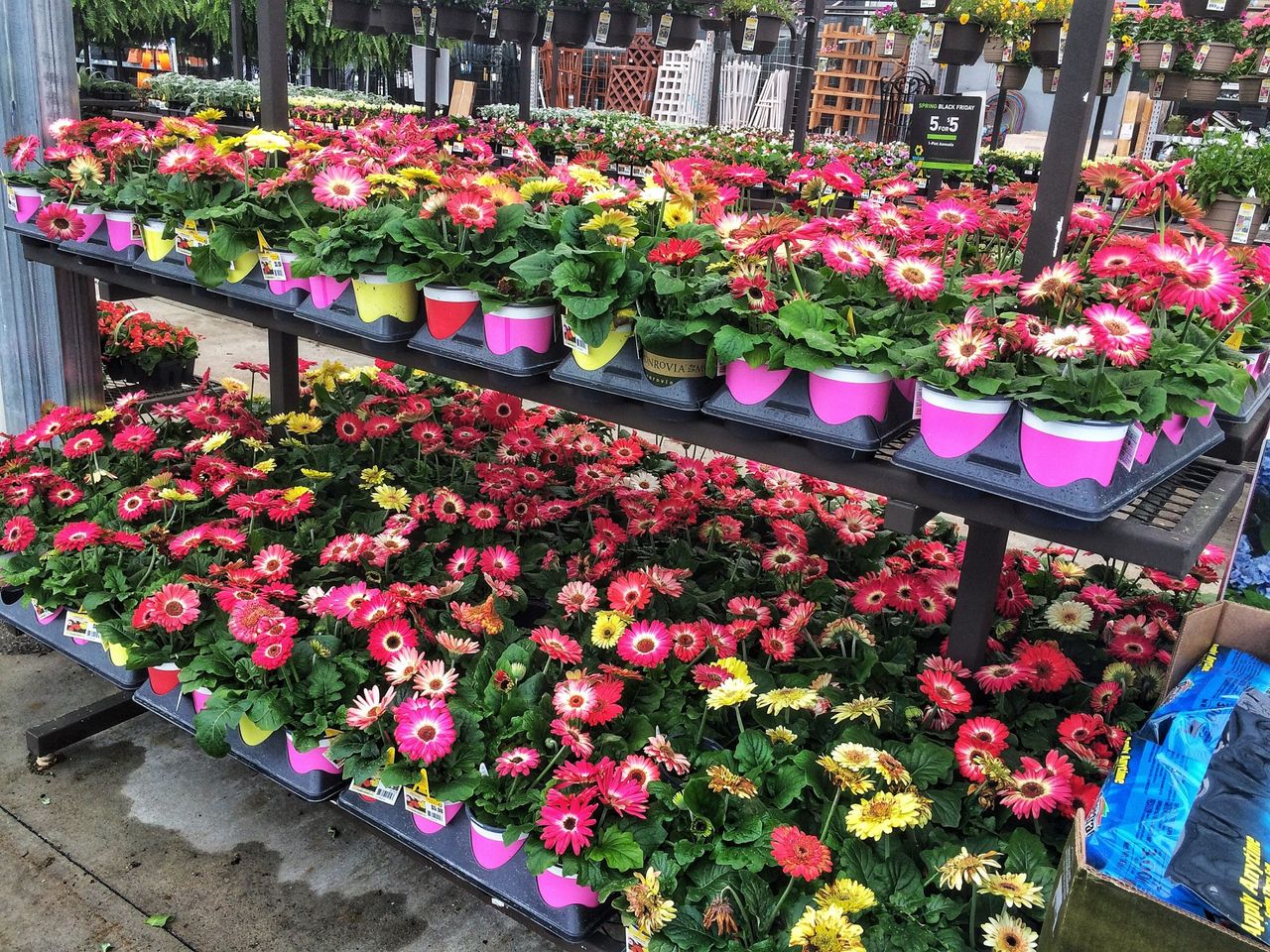
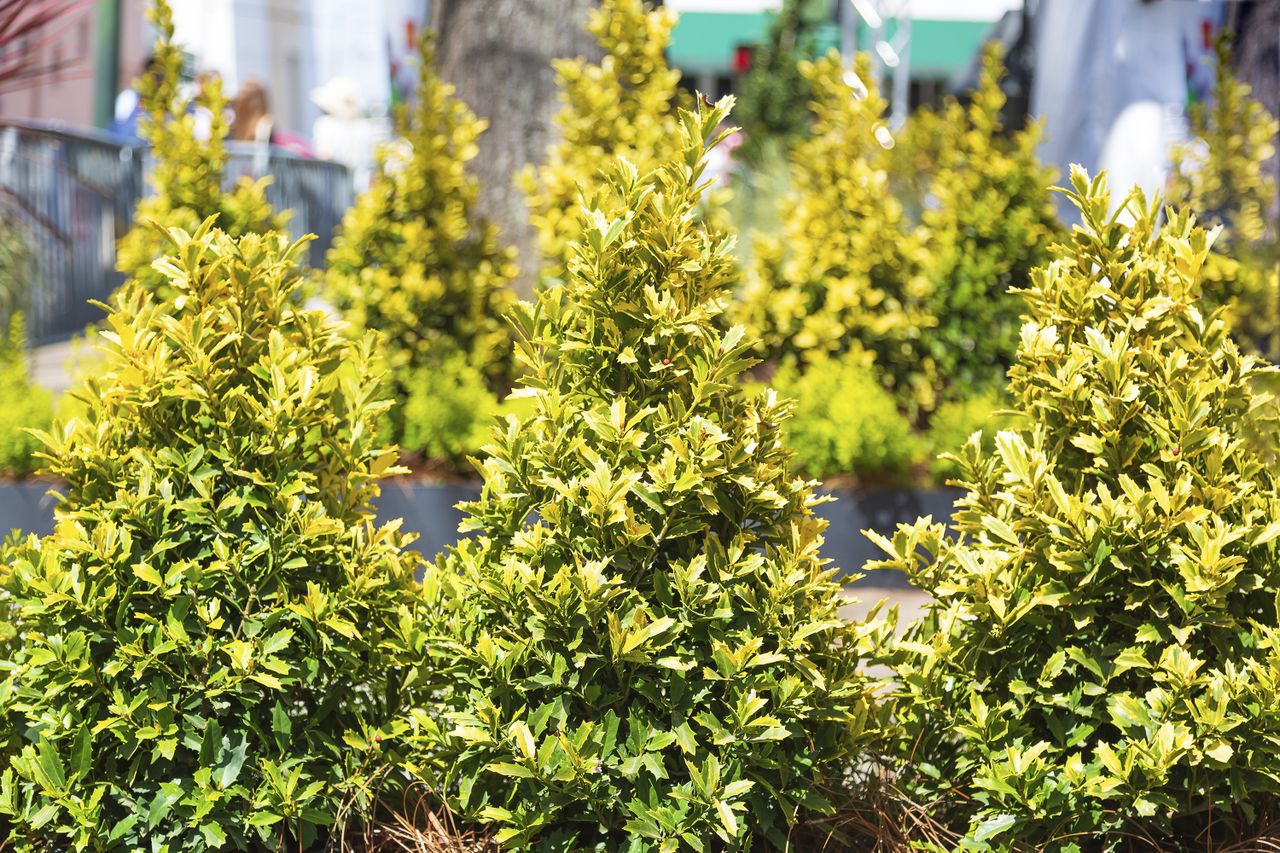
- Leaf Color: Look for vibrant green leaves. Avoid plants with yellowing leaves, brown spots, or holes, as these can indicate stress or disease.
- Plant Fullness: Opt for the fullest transplant available, regardless of its overall size. This applies to everything from small herb starts to larger trees.
- Stem and Trunk Health: Examine the stems and trunks for upright growth. Sprawling or weak-looking stems may suggest underlying issues.
- Soil Moisture: The soil should feel moist to the touch, but not waterlogged or excessively dry. Improper moisture levels can stress plants and hinder their successful establishment.
- Observe Surrounding Plants: If an entire section of a particular plant, such as tomato plants, appears yellowish or brownish, it could signal that the optimal planting window has passed. Similarly, if a large inventory section is heavily discounted, there’s likely a valid reason for it.
Nurturing Your Green Investments: Ongoing Care
Once you’ve brought your new plants or flowers home, proper care is essential to ensure their longevity and beauty.
- Flower Longevity: Flowers are a significant investment of time and resources. To maximize their lifespan:
- Change the water every other day.
- Always use the provided flower food. This helps inhibit bacterial growth in the water and extends the life of your blooms.
- If flower food is unavailable, a small dash of bleach can serve as an alternative. Avoid using beverages like vodka or Sprite, as they are not as effective.
- Plant Maintenance: Consistent care makes a substantial difference in the long-term health of your plants.
The Power of Kindness and Connection
Above all, remember that a little kindness goes a long way, especially in customer service interactions.
- Express Gratitude: A simple “Thank you for your help!” can significantly impact the day of a nursery or flower shop associate.
- Value Expertise: Professionals in this field are dedicated because they are passionate and knowledgeable. Their time is valuable.
- Build Relationships: Taking the time to get to know the people behind the plants can foster valuable relationships. Their expertise can become an invaluable resource for your gardening endeavors. Cultivating these connections, visit by visit, through warm and respectful interactions, can lead to a personalized level of service akin to having a plant or flower professional on call for your needs.
