
Expand
While rainy days benefit gardens and keep gardeners indoors, they also offer an opportunity to plan plant propagation, an ideal way to expand your plant collection. You can reproduce favored plants to develop landscape swaths, share with gardening friends or even sell them locally or online.
Propagation is a broad gardening topic that covers all categories of garden plants and several both sexual and asexual methods. Growing plants from seed is sexual reproduction, a natural process that works well. The seeds from a hybridized plant, however, can revert to a mix of their genetic lineage, producing unpredictable results.
Asexual propagation methods produce plants that are genetically identical to the parent plant. These methods include dividing mature plants, separating offsets, layering stems, rooting stem cuttings and multiplying plants with tissue culture.
Our column focuses on propagating herbaceous and woody perennials through stem cuttings. The process uses simple actions, requires few tools, takes little time or space and can generate many new plants. The propagation process typically results in the gardener’s enjoyment and satisfaction and qualifies as real gardening.
The bottom line: plant propagation involves very low expenses and produces substantial returns on the gardener’s investment.
Annual calendar
I prompted ChatGPT to generate an annual propagation calendar and edited the output for brevity and readability. The result clarifies the necessity to coordinate the stem cutting with the plant’s growth stage. It also supports the gardener’s future scheduling of propagation priorities.
Note that each window includes only a few examples of herbaceous perennials, and the January-February window also includes examples of woody perennial cuttings. Many additional plants could be propagated in each window. To determine when to make cuttings of specific plants of your interest, see “Advance your gardening knowledge” (below).
• January-February: Dormant and early-push window for hardwood cuttings of rose, lavender, rosemary and hydrangea, and herbaceous cuttings of pelargonium and salvia (woody types).
• March: Early spring softwood window: salvia (woody types), nepeta, heuchera and penstemon.
• April: Post-bloom and vigorous growth window: salvia, penstemon, golden shrub daisy (Euryops) and verbena.
• May-June: Peak softwood window: santolina, artemisia, salvia (shrubby hybrids) and pelargonium.
• July-August: Stress-management window: rosemary (semi-firm tips), lavender (nonflowering firm tips) and salvia.
• September-October: Prime semi-hardwood window: lavender, rosemary, germander (Teucrium) and santolina.
• November-December: Transition to dormancy: rose, hydrangea and fuchsia (semi-hardwood).
Propagation projects
I have taken advantage of this season’s opportunities to take cuttings from perennials in my garden. The January-February window is the time to propagate woody perennials, but cuttings take more time to establish roots than they would during the growing season.
Here are my current projects. I will write later about the results.
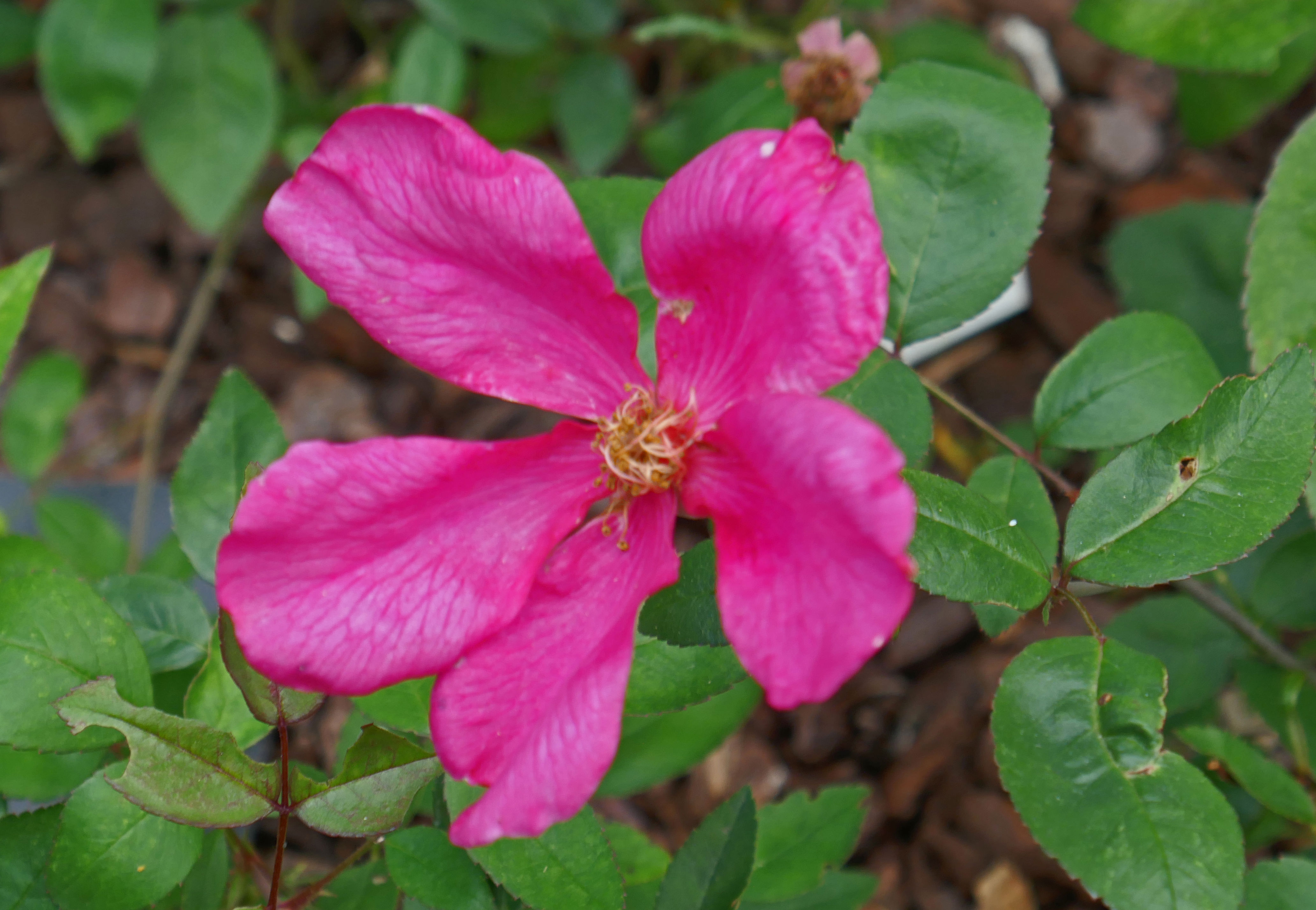
Butterfly rose (Rosa chinensis var. ‘Mutabilis’). My plant’s main stem was growing awkwardly, nearly horizontal, before rising normally, so I made a severe renovation pruning, hoping for a new upright stem from the roots. As a backup plan, I first made several stem cuttings. Online advice recommended planting rose cuttings in the ground near the mother plant, where the soil biota and micro-environment are familiar to the cutting, reducing stress and boosting survival rates. That makes sense. Still, rose stem cuttings should include some leaves, but my rose had few leaves at this season, so I have limited optimism for my cuttings.
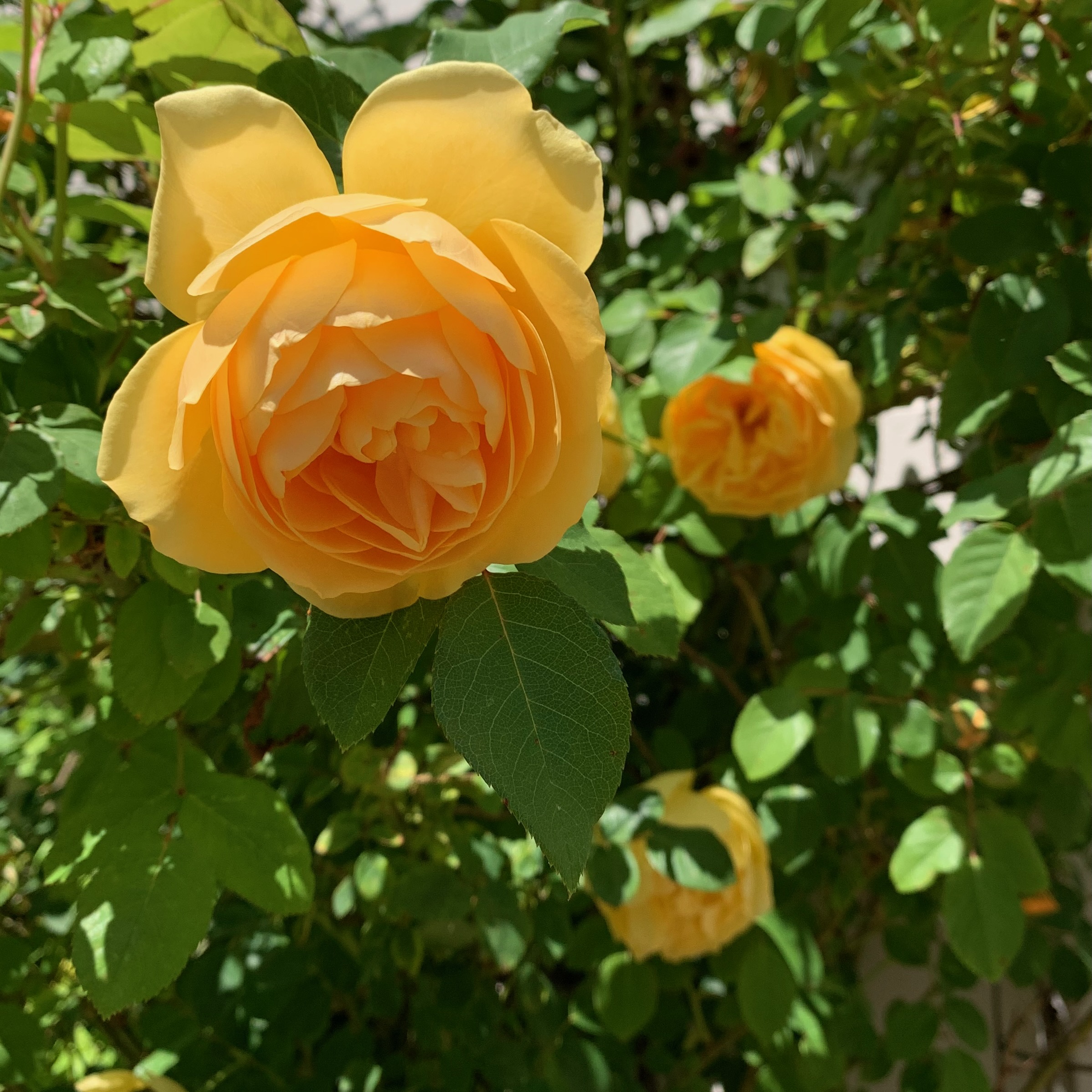
Graham Thomas rose (Rosa ‘Graham Thomas’). This rose has been quite healthy, so I took cuttings from it as a trial for propagating roses. I have not planned what to do with well-rooted cuttings.
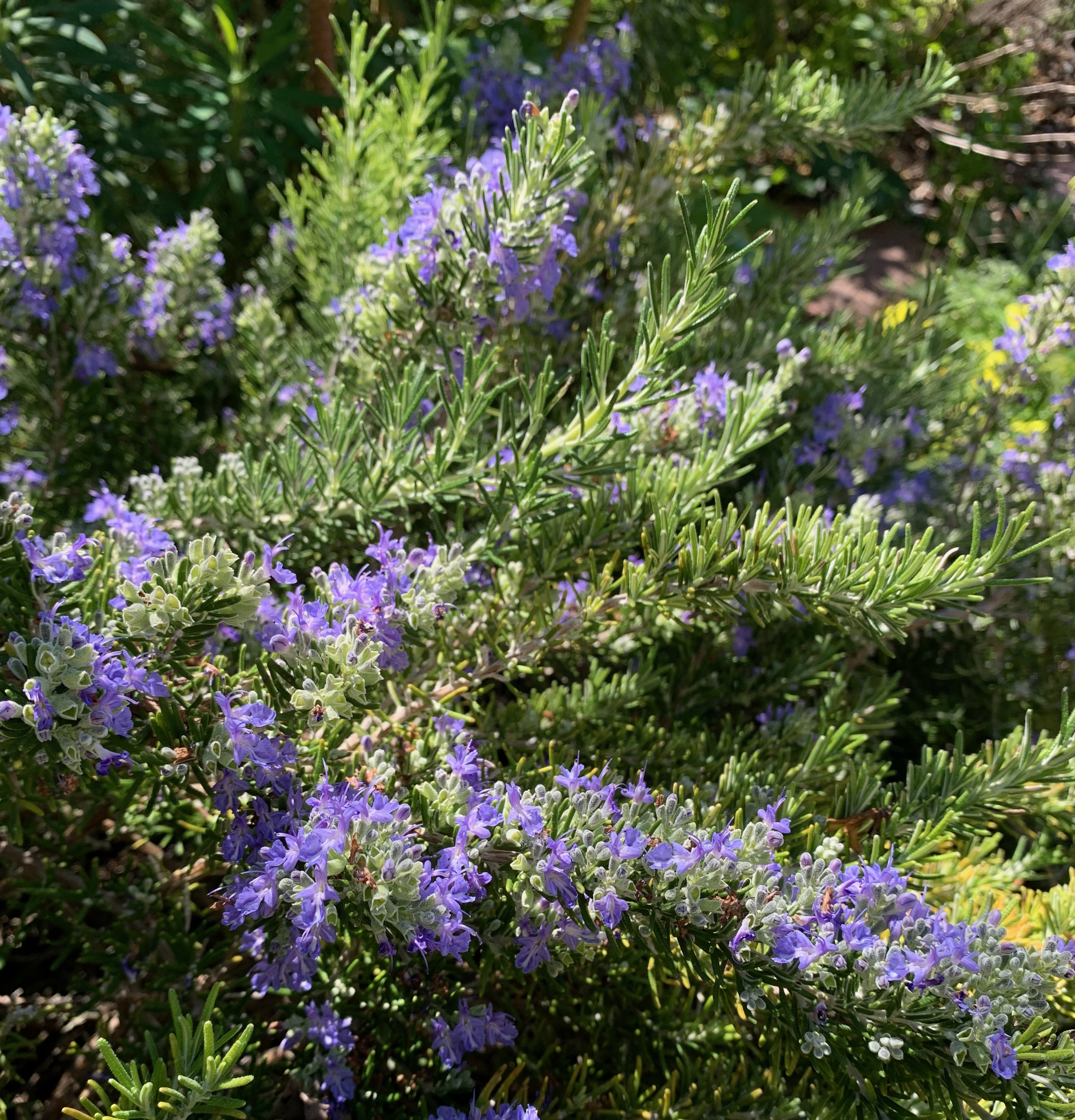
Upright rosemary (Rosmarinus officinalis ‘Tuscan Blue’). I recently removed an old rosemary shrub that had become woody and misshapen, creating space to install well-rooted cuttings.
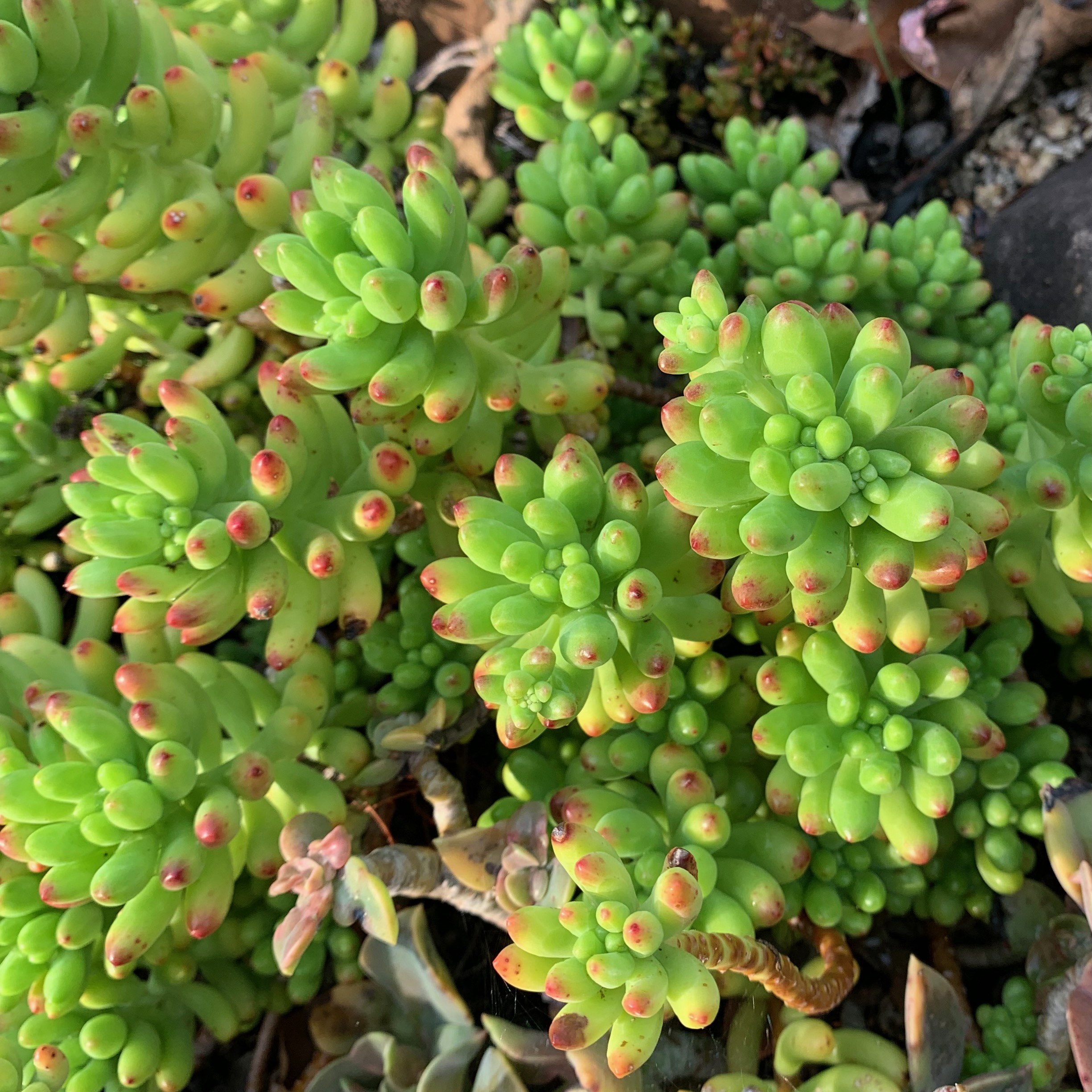
Pork and beans (Sedum rubrotinctum). Succulent plants are easy to propagate, possibly during several different windows, so I anticipate that stem cuttings from this plant will root successfully.
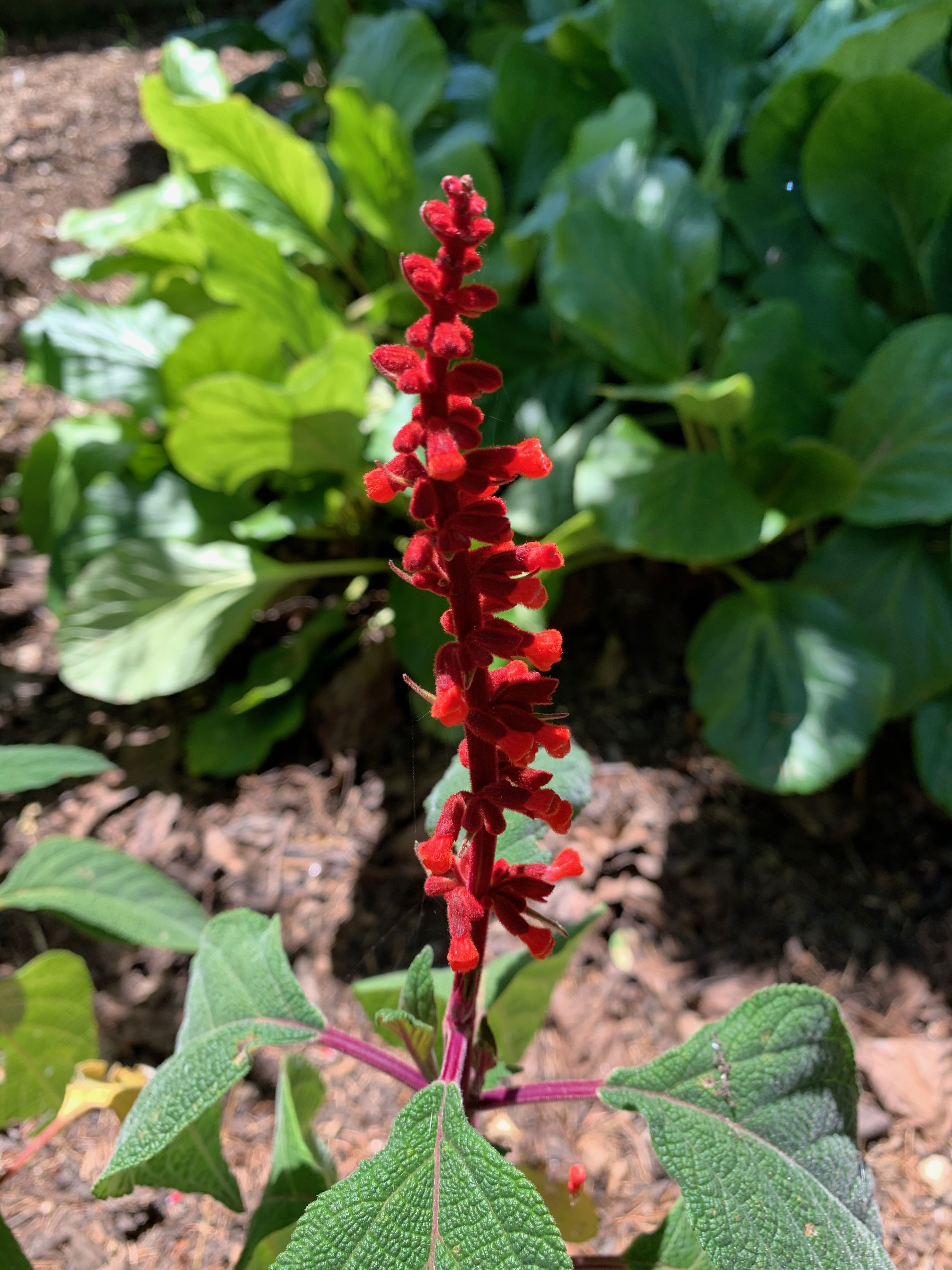
Red velvet sage (Salvia confertiflora). Most of my salvias are herbaceous types, but this woody species is suitable for propagation during the January-February window. If these cuttings do not succeed, I can try taking cuttings from young, flexible shoots during the May-June window.
Advance your gardening knowledge
To determine how and when to make cuttings of one of your plants, enter your question into your computer. You can use an artificial intelligence chatbot (ChatGPT) or a web browser with a built-in chatbot (e.g., Google Chrome, search for Copilot or Bing; different names for Microsoft’s chatbot, which is based on ChatGPT).
Presenting a simple prompt returns limited information, while a well-developed prompt provides more useful, detailed support for your propagation project.
To demonstrate the difference, try a simple example (“How to propagate perennials?”) and compare the result from a better example (“How and when to take cuttings of a Salvia convertiflora for a garden on California’s Central Coast?”).
A prompt in Google Chrome generates a brief report, along with links to the websites on which it was based. Click on those links for more information, if needed.
AI continues to develop rapidly, offering greater capabilities and raising many questions among concerned skeptics. Sending garden-related prompts to a chatbot may still yield incorrect information, so users should carefully review the report on a trusted website. Still, even when using a chatbot for a garden issue, don’t enter important personal facts.
This week in the garden
Unless you are already propagating selected plants, consider adding stem cutting propagation to your gardening activities. Many gardeners find creating rather than buying plants to be rewarding for horticultural satisfaction and substantial cost reduction.
Enjoy your garden!
Tom Karwin can be reached at gardening@karwin.com.
