
The “Quiet Luxury” Kitchen: What “Old Money” Cooks Don’t Display
In the world of interior design, a shift is underway, moving away from ostentatious displays and towards a more understated elegance. This trend, often dubbed “quiet luxury,” is now influencing our kitchens, with experts suggesting that truly sophisticated home cooks, particularly those with a “new money” sensibility, are eschewing certain popular gadgets. Instead of showcasing flashy appliances, the focus is on functionality, seamless integration, and an overall sense of calm confidence.
Jordana Ashkenazi, a UK-based interiors expert and the founder and design director of Element One House, recently shared insights into the kitchen items that signal a “new money” aesthetic rather than the enduring appeal of “old money” taste. According to Ashkenazi, anything that feels overly showy, heavily branded, or designed primarily to impress can transform a kitchen into a showroom, detracting from its genuine purpose as a space for culinary creation and everyday living.
“Kitchens are starting to follow the same rules as fashion,” Ashkenazi explained. “Just like oversized logos across clothing have begun to feel a little try-hard, appliances that loudly announce their brand or try to be the focal point can tip into crass territory. The most beautiful kitchens I see are quietly confident. They do not need to shout about labels or gadgets because the design speaks for itself.”
This doesn’t mean that functional gadgets are unwelcome. Rather, the emphasis is on their utility and how they integrate into the overall design. For those designing long-term homes, the trend is towards concealing appliances rather than displaying them.
Hidden Havens: The Rise of Dedicated Kitchen Spaces
The desire for uncluttered countertops and a serene kitchen environment has fueled the popularity of specialized areas.
- Butler’s Pantries: These dedicated spaces offer discreet storage and prep areas, keeping the main kitchen visually clean.
- Imagine opening a pantry door to reveal a hidden worktop with integrated electrical outlets, where appliances are ready for use but neatly tucked away when not needed.
- Spice Kitchens (or Secondary Prep Kitchens): For those who love to cook with strong aromas or entertain extensively, a separate, smaller kitchen can be a game-changer.
- This allows for more intensive cooking without impacting the main kitchen’s aesthetic or ventilation.
Even in smaller urban homes where space is at a premium, the principle remains the same: keep worktops as clear as possible. Clutter, according to Ashkenazi, is a quick way to make a kitchen feel busy and dated.
Gadgets That Miss the Mark: A Closer Look
Ashkenazi identified several popular kitchen items that, while potentially functional, can detract from a sophisticated design if displayed prominently.
-
Pizza Ovens: While fun for occasional outdoor gatherings, a pizza oven that becomes the garden’s main attraction might signal a desire to show off rather than a genuine culinary passion.
- These appliances are often bulky and underutilized. In understated outdoor spaces, the focus is typically on atmosphere and comfort, not on making cooking equipment a central design element.

- These appliances are often bulky and underutilized. In understated outdoor spaces, the focus is typically on atmosphere and comfort, not on making cooking equipment a central design element.
-
Cocktail Stations and Permanent Bar Setups: A kitchen that resembles a cocktail lounge more than a cooking space might be overdoing it.
- In timeless homes, cocktail cabinets are often designed to be concealed behind closed doors, opening only when needed for serving drinks, thus maintaining a calm kitchen environment day-to-day.
- Sometimes, the ideal location for a bar is not the kitchen at all, but a formal sitting room or a dedicated entertaining space, allowing for a more relaxed and appropriate setting for guests.
-
Air Fryers: The undeniable practicality of air fryers is acknowledged, but their visual dominance on a countertop can be problematic.
- In more refined kitchens, appliances like air fryers are often stored inside pantry cupboards, preventing them from becoming the focal point.
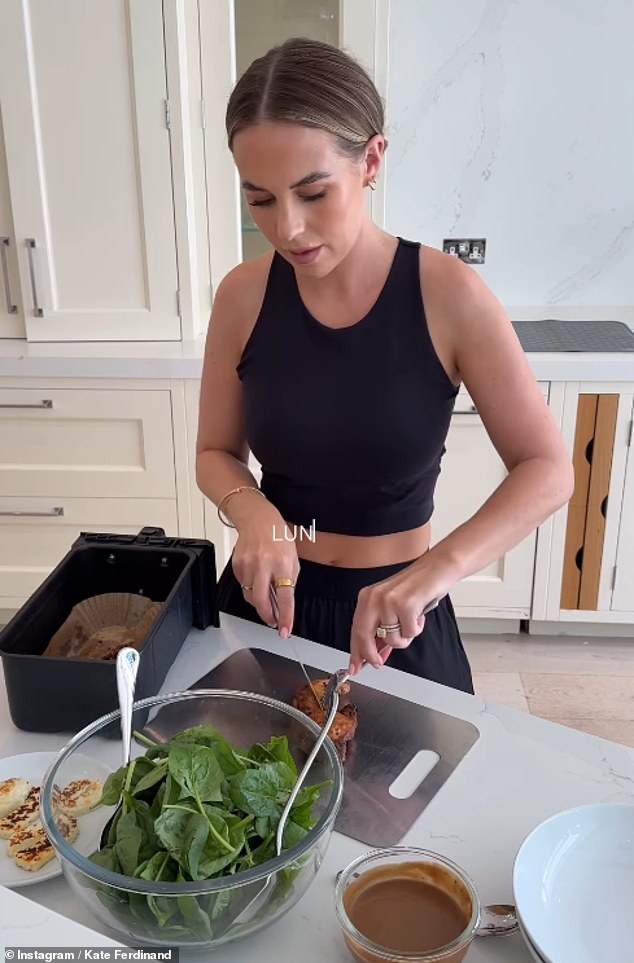
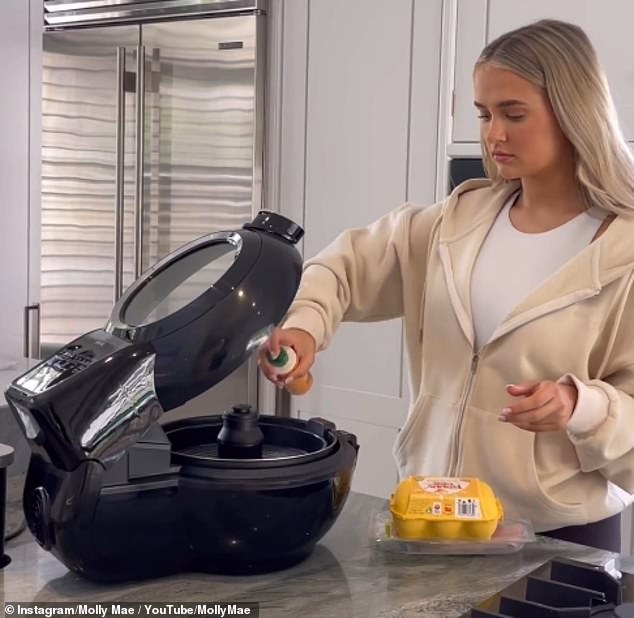
- In more refined kitchens, appliances like air fryers are often stored inside pantry cupboards, preventing them from becoming the focal point.
-
Oversized Wine Fridges as Focal Points: A wine fridge should exude subtle luxury, not command attention across the room.
- While wine storage can be aesthetically pleasing, when it becomes the centerpiece, it can feel more like a display piece than a reflection of a lifestyle.
-
Smart Fridges with Giant Touch Screens: If a refrigerator’s screen is more prominent than the cabinetry, the balance between gadgetry and design has likely been skewed.
- Oversized screens can be visually overwhelming. Integrated refrigeration, on the other hand, allows the architectural elements of the kitchen to take center stage.
-
Built-Out Coffee Stations: Turning a kitchen into a full-blown coffee shop, complete with syrup racks and multiple machines, can compromise the overall design.
- These elements create visual clutter. In kitchens with an “old money” aesthetic, coffee machines are typically integrated discreetly into cabinetry rather than being showcased as a display.
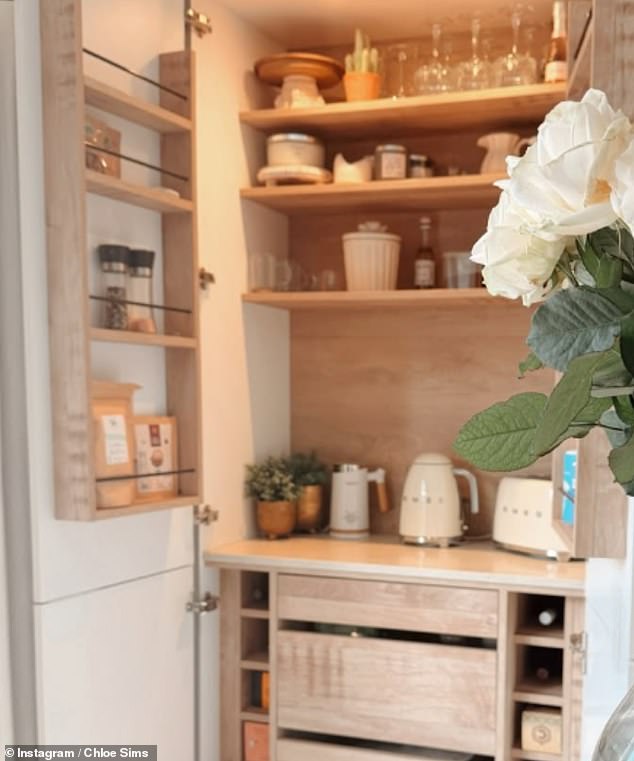
- These elements create visual clutter. In kitchens with an “old money” aesthetic, coffee machines are typically integrated discreetly into cabinetry rather than being showcased as a display.
-
Countertop Ice Machines: The need for a separate machine solely for making fancy ice might indicate a design driven by social media trends rather than practical, everyday living.
- Single-purpose gadgets often consume valuable counter space and can quickly lose their appeal.
-
Neon LED Strip Lighting: Kitchen lighting should enhance warmth and highlight materials, not create a nightclub atmosphere.
- If the lighting feels more akin to a gaming setup, it’s time to reconsider the mood and soften the ambiance.
-
Matching Kettle and Toaster Sets: A perfectly coordinated toaster and kettle set, while aiming for aesthetic harmony, can inadvertently create visual noise.
- Such perfect coordination can make a space feel staged rather than timeless. A quieter approach involves selecting neutral pieces that blend seamlessly into the kitchen rather than demanding attention.
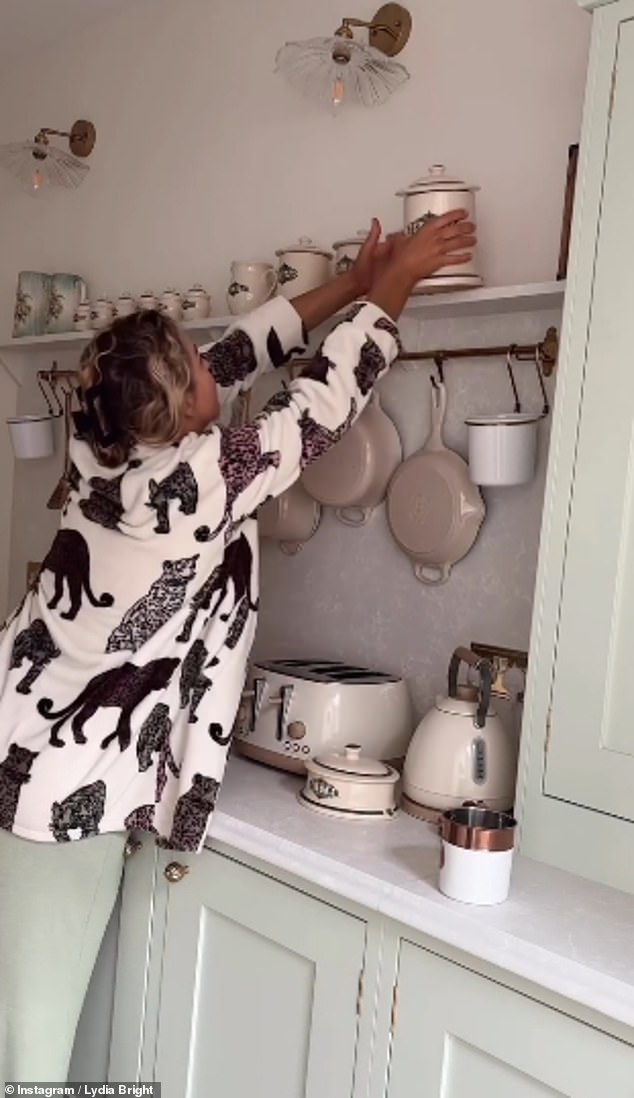
- Such perfect coordination can make a space feel staged rather than timeless. A quieter approach involves selecting neutral pieces that blend seamlessly into the kitchen rather than demanding attention.
-
Loud, Heavily Branded Cookware: Displaying cookware solely for its brand name or to match a color trend can be perceived as an attempt to project luxury rather than embodying it.
- While brands like Le Creuset produce beautiful and well-made items, using them purely as status symbols can feel contrived. True luxury lies in the overall functionality and cohesion of the space, not in the visibility of labels. Cookware in timeless kitchens is chosen for its quality and longevity, not for its brand recognition.
-
Giant Stand Mixers Permanently on Display: A stand mixer left out on the counter, like a trophy, can speak more to status than to a genuine love for baking.
- While these are excellent tools, when they occupy a permanent spot on the counter, they begin to compete visually with the kitchen’s overall design.
The overarching message from experts like Jordana Ashkenazi is clear: in the pursuit of sophisticated kitchen design, functionality, discretion, and a focus on the enduring quality of materials and architecture will always trump ostentatious displays and fleeting trends.
