
Millions of homeowners make improvements to their homes every year, fully convinced they’re adding value, comfort, or functionality. The trouble is, a surprising number of those improvements quietly cross a legal line, and not always because of bad intentions.
Sometimes it’s a contractor who skipped a step, sometimes it’s a homeowner who just didn’t know, and sometimes the rules changed after the project was done. The consequences can range from annoying to genuinely devastating: fines, forced demolition orders, denied insurance claims, and serious headaches when it comes time to sell.
So before you pat yourself on the back for that gorgeous new deck or finished basement, take a deep breath and read this first. Let’s dive in.
1. Finished Basement Bedrooms Without Egress Windows
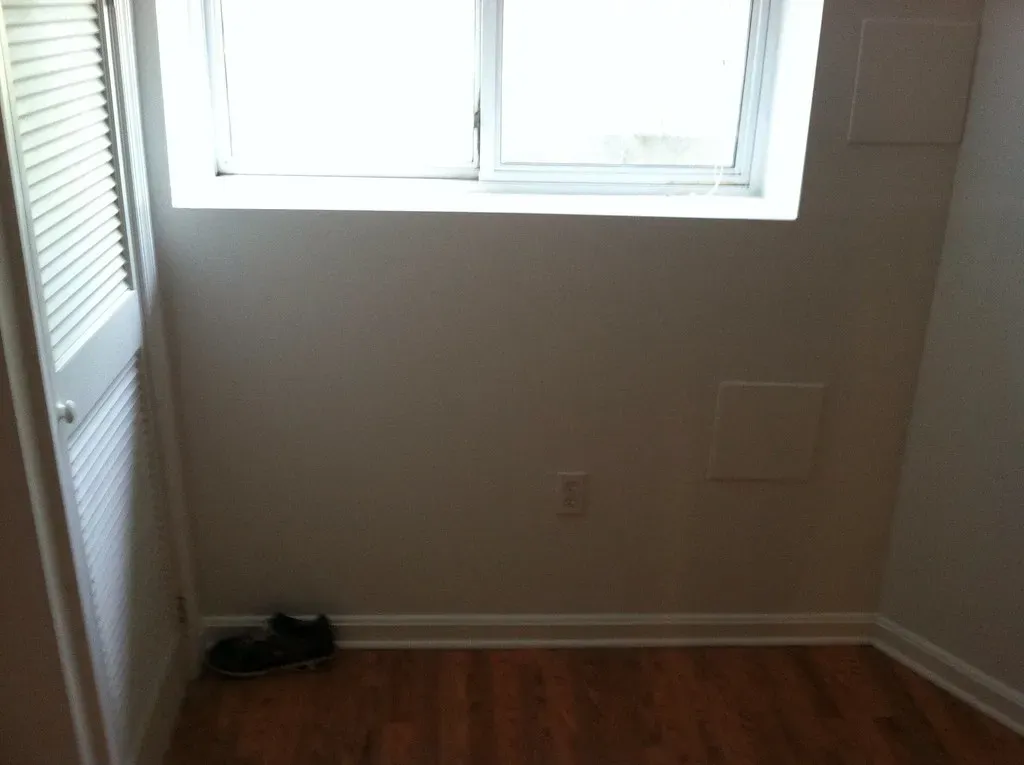
Here’s the thing, turning your unfinished basement into a cozy bedroom suite sounds like a dream renovation. Plenty of homeowners do it, and plenty of them never realize they’ve created a code violation in the process.
The missing piece is almost always the egress window. Egress windows are required in every room used for sleeping purposes on any floor, including in basements.
7 square feet, be no more than 44 inches off the floor, and open fully without tools or keys. That last detail catches a lot of people off guard.
A window that looks large enough can still fail inspection if its net clear opening doesn’t measure up. Building a bedroom in the basement without an egress window is a serious code violation, and not just a safety hazard on paper.
In many Midwest cities, improperly installed egress windows are one of the top reasons basement bedrooms fail inspection. Taking shortcuts here can lead to major code violations and safety risks.
Think of it this way: in a nighttime emergency, that window is the difference between getting out and not getting out. Denver adopted the 2025 Denver Building and Fire Codes incorporating the 2024 I-Codes, effective December 31, 2025, and projects submitted on or before that date may be able to use either the 2022 or 2025 Denver codes.
Rules are evolving fast. If you’re starting a basement bedroom project right now in 2026, always confirm which code version applies to your permit before you buy a single window.
2. Decks Built Without Permits or With Improper Ledger Attachments

Decks are one of the most beloved home additions in the country. They’re also one of the most frequently cited sources of code violations.
I honestly think it’s because they look deceptively simple to build, like it’s just lumber and screws. It’s not.
Many homeowners opt to install a deck themselves, but DIY deck installation can lead to building code violations. The deck ledger must be securely attached to the house using the proper fastening, because failure to do so can make the deck unstable and increase the risk of injury.
Additionally, you must install flashing between the ledger and the house to prevent water damage. New IRC deck building codes released in 2024 target key structural elements and safety features common in most deck construction projects.
One notable update: the 2024 IRC clarifies that all joists, beams, posts, decking, and stair stringers must be made from either pressure-treated wood or from durable species, such as redwood, cedar, black locust, or black walnut. If your deck was built before these updates and used unlisted materials, it may not comply with current standards.
A deck built out of code could result in fines, forced removal, and issues with the resale of the property. If your deck project is more than 30 inches above grade, guardrails are required.
They should span the perimeter of the deck, including the stairs. That’s not a suggestion.
That’s enforceable law.
3. Garage Conversions That Ignore Building Standards
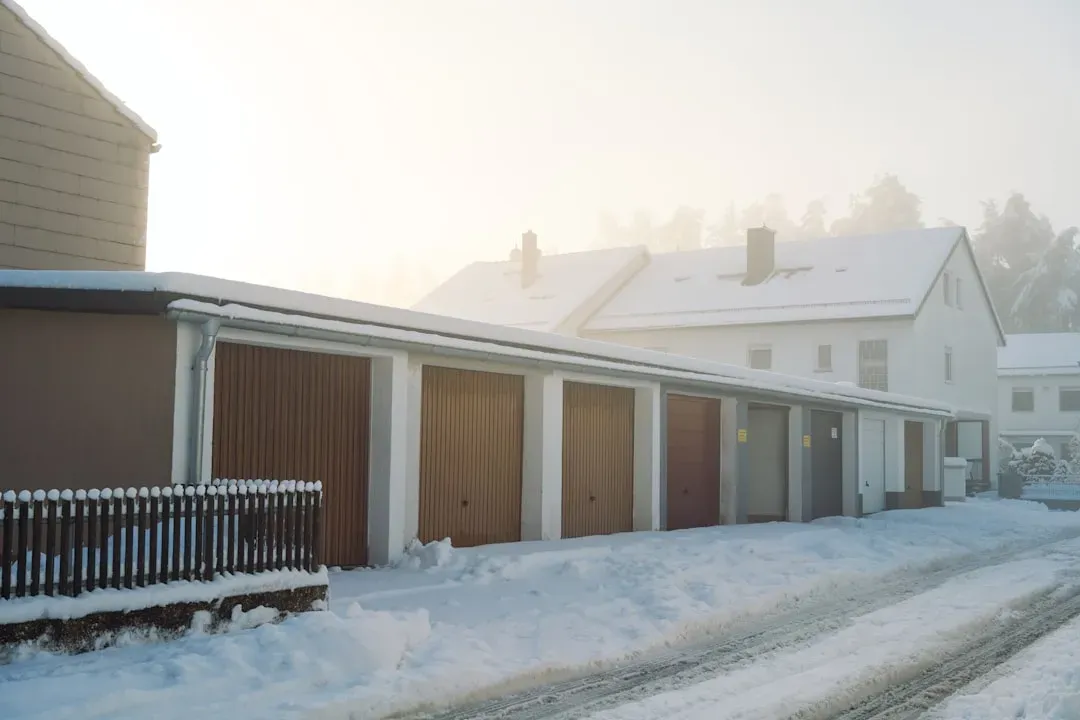
Converting a garage into living space or a rental unit has become incredibly popular, especially as housing costs have climbed. On the surface it seems straightforward: clear it out, throw up some drywall, maybe add a kitchenette.
Reality is a lot more complicated, and the legal landscape keeps shifting. The most recent 2024 IRC added an appendix to address Accessory Dwelling Units.
An ADU is a second dwelling on a property to allow an additional individual or family unit to reside on the same building lot as a larger single-family home. An ADU may be attached or detached from the primary home building.
Sounds convenient, but the permitting requirements are substantial. Unpermitted work likely fails to meet current building, electrical, plumbing, or fire safety codes.
The municipality can issue a stop-work order or require removal of unpermitted structures or systems. An ADU must have its own living, sleeping, eating, cooking, and sanitation facilities, including a full kitchen and bathroom.
Many DIY garage conversions simply don’t meet those standards, even when they look finished and livable to the naked eye. As of 2025, California continues to pass new ADU laws lifting restrictions and making it easier and more affordable to build Accessory Dwelling Units.
Because of the new laws, California ADU construction has surged, with over 80,000 ADUs permitted since the first ADU reform bill was passed in 2016. The surge in popularity means code enforcement has increased too.
More projects means more scrutiny.
4. Unpermitted Room Additions
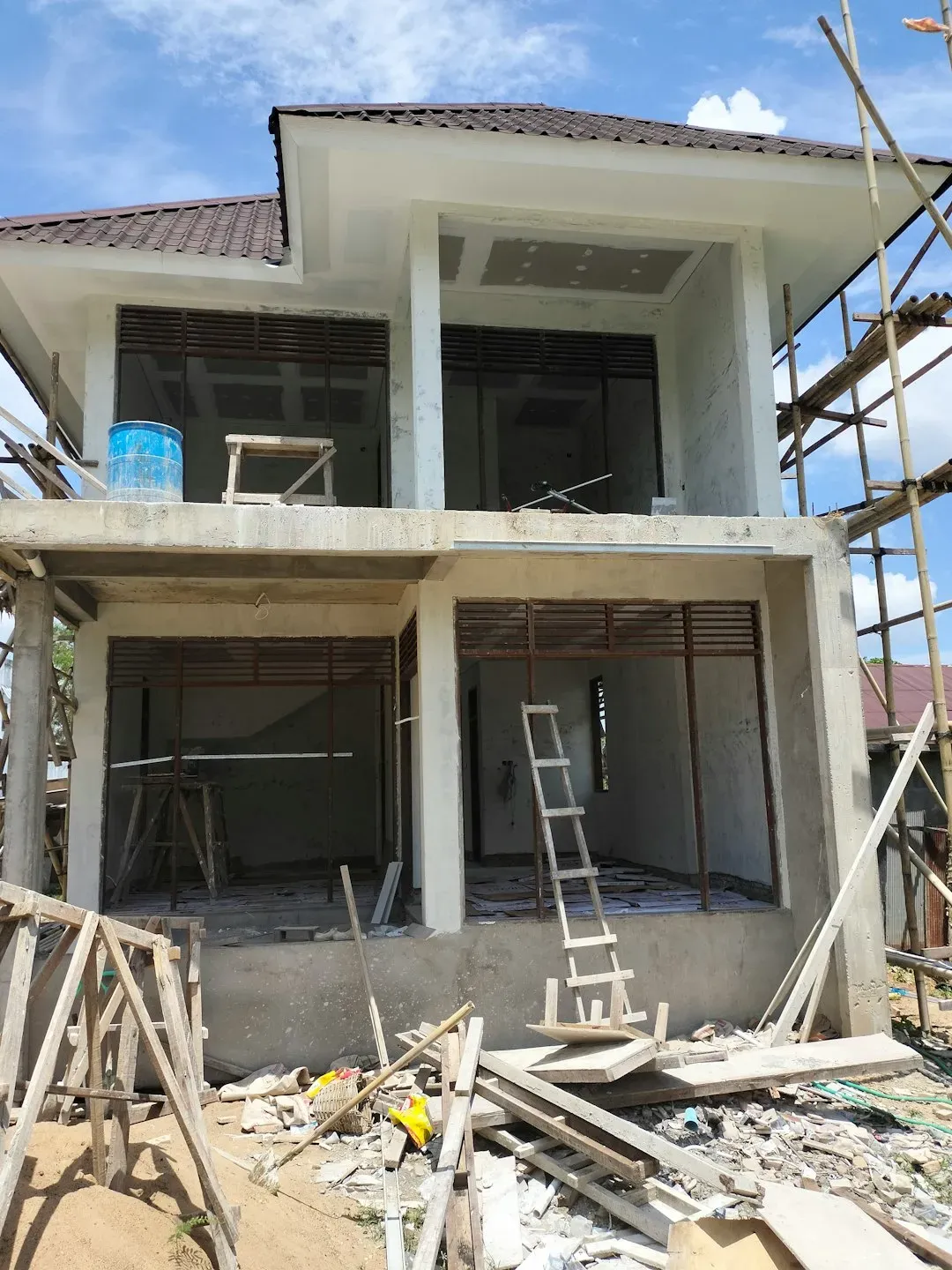
Adding a room, whether it’s a sunroom, a home office bump-out, or an extra bedroom, is one of the most significant things you can do to a house. It’s also one of the most commonly unpermitted types of construction.
Sometimes a past owner did it. Sometimes a contractor assured the current owner that permits weren’t necessary.
Neither situation ends well. A permit is required for projects that are more extensive or structural in nature, like altering load-bearing walls, adding rooms in a basement, building an addition, or running wiring and installing plumbing.
There are many times a structure is built without first obtaining a valid building permit from the local authorities. Weekend, spur-of-the-moment, impulse-type building is one of the most common beginnings of an unpermitted structure.
When you buy a home, you assume its liabilities, including any outstanding fines from unpermitted work. You’re also responsible for bringing the property up to code, including hiring contractors.
This catches buyers completely off guard. You close on the house, discover the addition was never permitted, and suddenly the problem is yours to fix and pay for.
Obtaining permits after the fact, so-called “as-built” permits, can be time-consuming, costly, and sometimes impossible if work doesn’t meet code. Creating as-built plans alone can cost between $3,000 and $8,000, depending on the complexity of the unpermitted work.
That’s before any actual corrections are made.
5. DIY Electrical Work That Skips GFCI Requirements
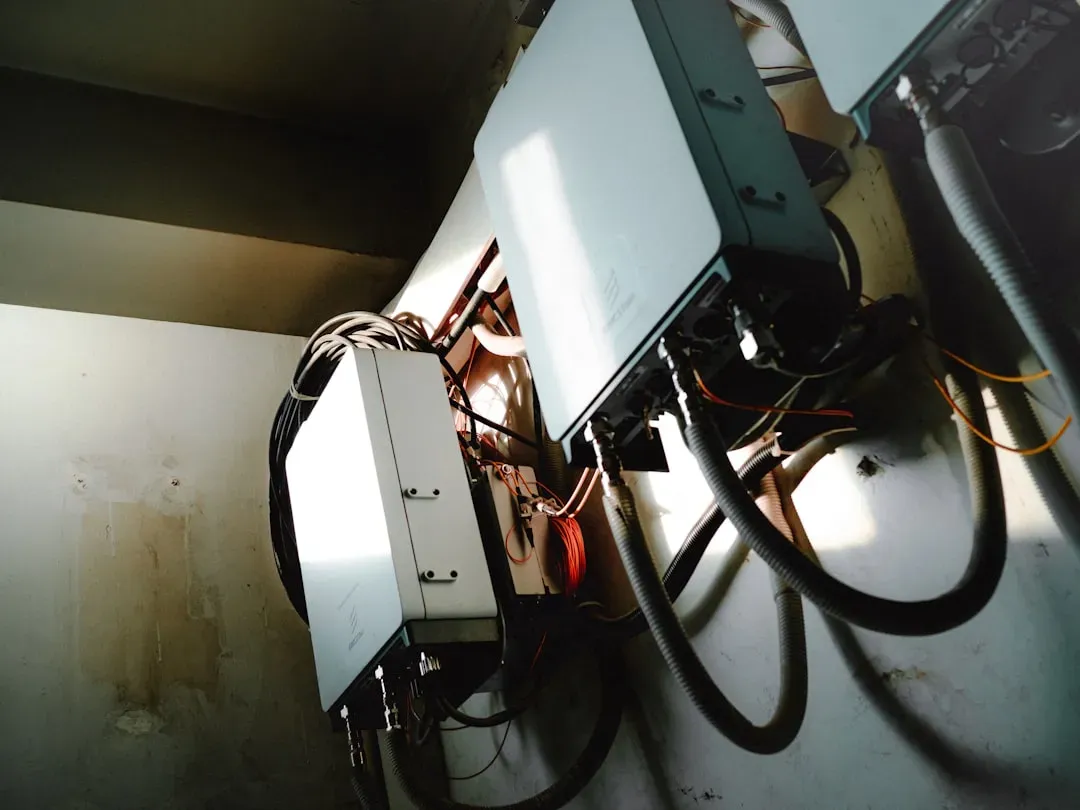
Electrical work is the silent violator in so many home improvement projects. You finish a bathroom, add a kitchen island, convert a space into a workshop.
Everything looks great, lights work, outlets work. What you might not realize is that the type and placement of those outlets could be making your home dangerously non-compliant.
Improperly installed electrical wiring can be a building code violation. Faulty wiring can also be hazardous, it can cause electrocution, house fires, and permanently damage your home appliances.
According to the National Fire Protection Association, electrical fires caused over 45,000 fires, 500 deaths, and over 1,400 injuries in a single recent year. Those are real consequences, not distant statistics.
GFCI outlets are required for circuits installed close to water sources in bathrooms, kitchens, laundry rooms, garages, basements, and outdoors. They automatically cut power if they detect a current change, preventing electrical shocks.
Installing a permanent structure in your kitchen, like an island, without wiring is also a code violation. It’s a detail that surprises a lot of homeowners mid-renovation.
The other most notable change to the IRC 2024 was a change to the requirement for outlets on a kitchen island or peninsula. In previous code versions, an outlet was required to be installed at the end of an island or peninsula of any size, no lower than one foot below the countertop surface.
Where the island’s counter size was greater than 9 square feet, additional outlets would be required. Updated rules now regulate outlet placement height even more specifically to reduce hazards.
6. Bathroom Additions With Improperly Vented Exhaust Fans
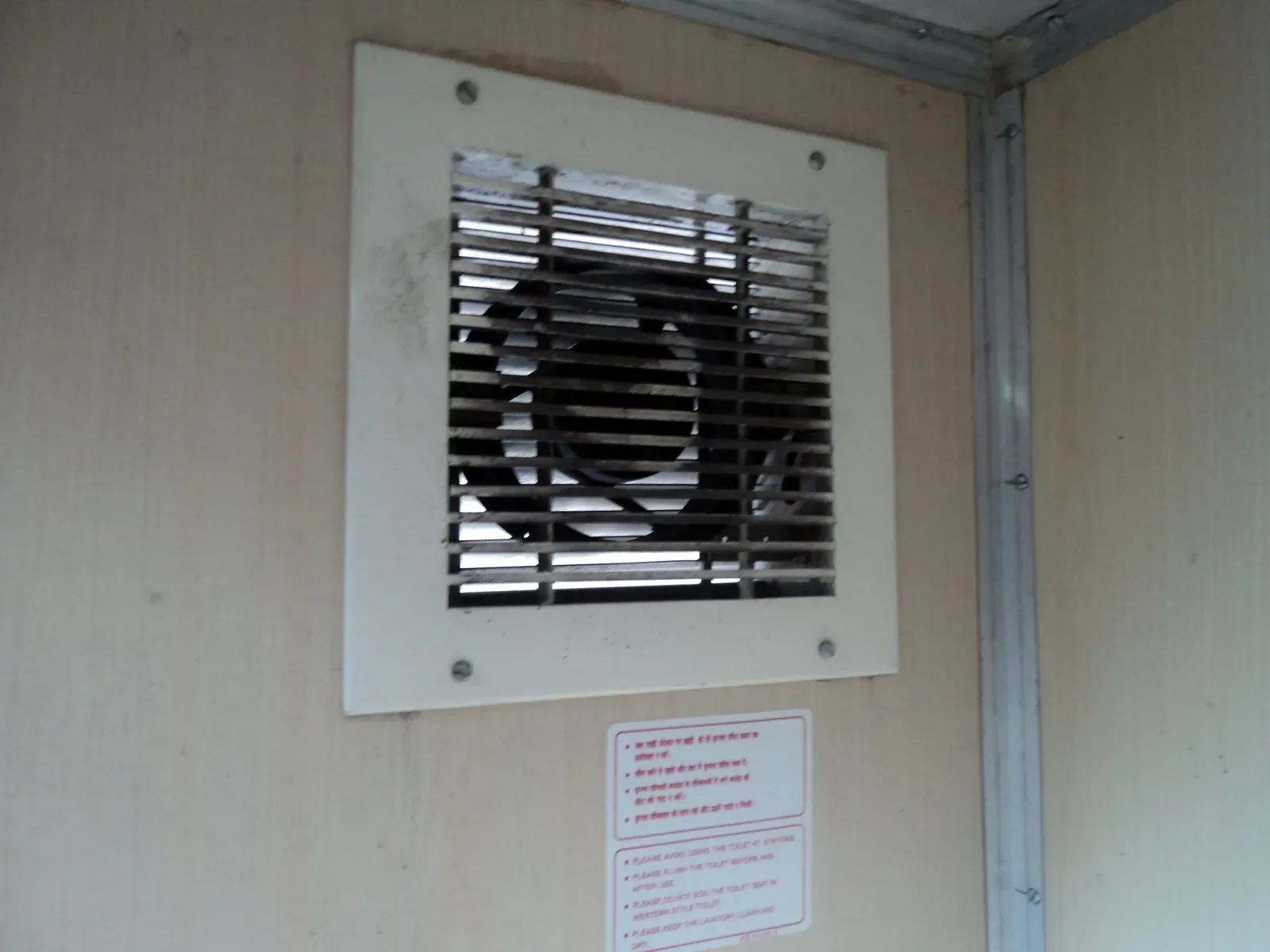
Adding a bathroom to a finished basement, an attic conversion, or even just an extra half-bath somewhere in the house is a massive quality-of-life upgrade. It’s also a renovation category that quietly racks up code violations, specifically around ventilation.
And this one is sneaky because everything appears to be working fine, right up until the mold shows up inside your walls or attic. Building codes require bathrooms to have fans that vent to the outside of the home through the roof or the side of the house.
If your bathroom exhaust fan vents into the attic instead, moisture can build up and cause mold and mildew growth. Most local building codes require ventilation fans in bathrooms that lack operable windows.
These fans carry steam and humidity outside through a ceiling or wall vent, thus eliminating moisture buildup that can lead to peeling paint, warped cabinetry, and mold growth. Honestly, this one frustrates me the most because it’s so preventable and yet so common.
A contractor might route the duct wherever is easiest, which is often into the attic, not outside. The homeowner has no idea until a home inspector or a major mold problem surfaces years later.
Building code violations can lead to fines, safety risks, and structural damage. Mold behind bathroom walls checks all three of those boxes.
7. Fences and Outbuildings That Violate Setback Rules

Few things feel more satisfying than adding a new fence for privacy or building a shed for extra storage. They’re simple projects, right?
Maybe. But these are also among the additions most likely to quietly violate local zoning and setback requirements, and the owner doesn’t find out until a neighbor files a complaint or a sale falls through.
Most local governments have building codes to ensure that houses are constructed correctly and safe for occupants. Building codes vary from one locality to another due to differences in geography and climate, and they can change frequently.
Setback rules, which define how close a structure can be to a property line, vary wildly from one municipality to the next. What’s fine in one county can be a clear violation two miles away.
Determining compliance often requires checking whether the new structure meets any setback requirements, maximum lot coverage requirements, or maximum allowed square footage. Unpermitted structures may violate zoning laws regarding setbacks, use restrictions, and lot coverage limits, and can prevent title insurance or certificates of occupancy.
That last part matters enormously when you try to sell or refinance. One of the most immediate consequences of building without a permit is facing fines and penalties.
These can vary depending on the severity of the violation and the specific jurisdiction. Initially, you may have to pay a code violation fee ranging from $350 to $600, depending on the size and scope of the work.
If you fail to pay this fee within 30 days, it can increase to between $1,200 and $1,500. For something as simple as a fence built six inches too close to a property line, those are painful numbers.
The Hidden Cost of Not Knowing
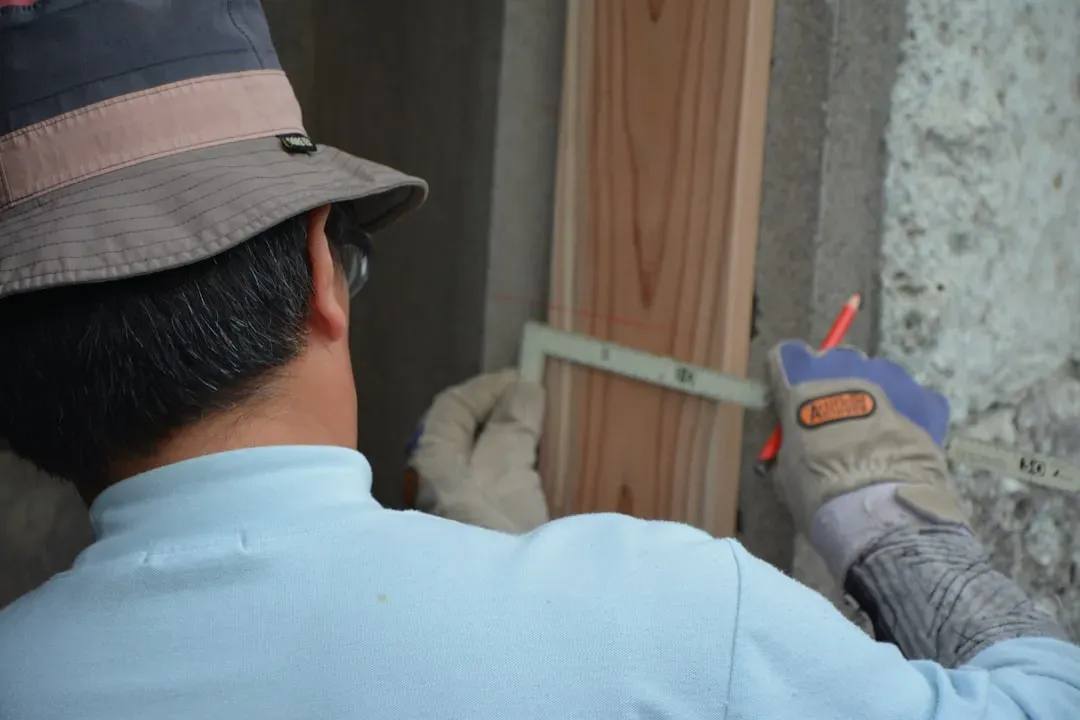
It’s easy to assume that if your neighbors haven’t complained and no inspector has knocked on your door, everything must be fine. That’s a risky assumption.
Unpermitted work may come to light through any number of means. Building inspectors routinely patrol neighborhoods and can immediately identify construction work in progress.
If they discover unpermitted activities, they have the authority to issue stop-work orders and remove workers from the site. If the home has unpermitted work, the insurer may limit or deny coverage for any damage caused by or related to that work.
If the unpermitted work wasn’t disclosed upfront and was discovered after the sale, your insurer may raise your premium, reduce coverage, or cancel your policy. These aren’t rare edge cases.
They happen regularly, and they cost homeowners dearly. In Massachusetts, you can be fined up to $1,000 a day for building without a permit.
Building without a permit in California can cost contractors up to $5,000 per violation, while building without a permit in Texas can result in a triple permit fee plus $500. The message is clear: the cost of doing it right the first time is always lower than the cost of getting caught.
The smartest thing any homeowner can do before starting any addition, no matter how small it seems, is to call the local building department and ask. It takes fifteen minutes and can save you years of headache.
What addition are you planning next? Make sure you know the rules before you break ground.
Want more stories like this? Follow us and never miss out!
