
Kitchen design is a dynamic landscape, constantly evolving to reflect our changing tastes and lifestyles. As the heart of the home, the kitchen sees trends emerge and fade with remarkable speed, making it a challenge to keep pace and discern what truly resonates. For 2026, several exciting trends are taking root: a move towards warm, natural color palettes, the embrace of bold patterns, and a resurgence of classic design elements. However, alongside these fresh directions, a number of design choices are stubbornly clinging to popularity, seemingly defying their expiration date.
This is your guide to avoiding those kitchen trends that are destined to feel dated by the end of 2026, and more importantly, those that risk making your space appear gaudy. Design decisions like incorporating word art or artificial greenery, while seemingly simple fixes for a dull area, often result in a cheesy aesthetic. Similarly, succumbing to fleeting TikTok-driven furniture fads can lead to embracing the “fast furniture” movement, a practice that should have been abandoned long before now. By steering clear of these design pitfalls, you can ensure your kitchen exudes timeless elegance rather than a fleeting, tacky trend.
Outdated Kitchen Trends to Ditch in 2026
Word Art
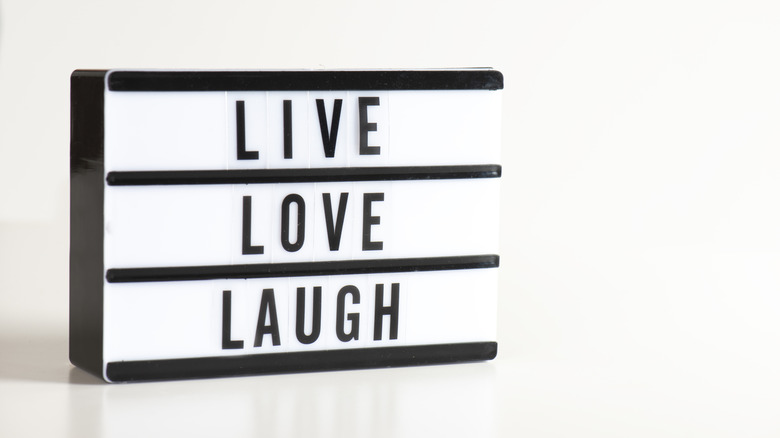
It’s astonishing that in 2026, decorative word art remains a common sight in kitchens. The allure of readily available signs or boards, often emblazoned with phrases like “EAT” or “Live, Love, Laugh,” persists. While these pieces might offer a quick way to add a touch of personality, interior designers are increasingly expressing their weariness. As one designer noted, “We don’t need reminders on how to gather, eat, or be. Those phrases often feel more instructional than intentional.”
Instead of relying on mass-produced, anonymous pieces, designers advocate for unique selections that hold personal significance. Exploring local markets or thrift stores can uncover one-of-a-kind items that truly speak to you. If you’re set on incorporating text, consider a custom-designed piece that reflects your personal message and style. Avoid blindly following popular trends; instead, seek out elements that resonate with your individual taste. Furthermore, consider alternative ways to style kitchen windows rather than relying on signs that can detract from the view.
Waterfall Edge Islands
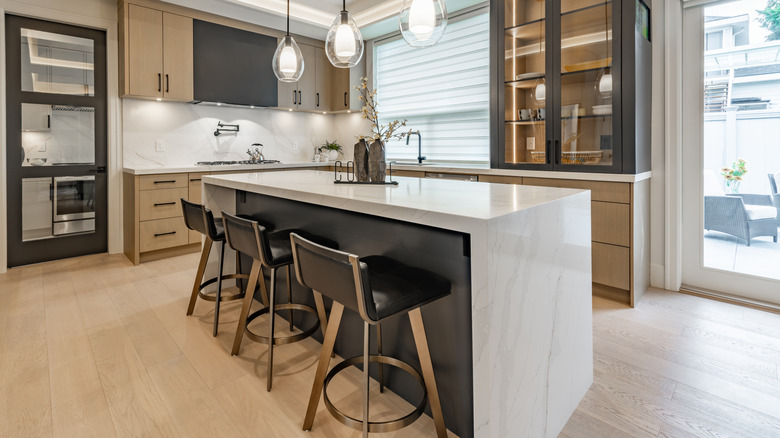
Waterfall edge islands, once heralded as the pinnacle of modern kitchen design, are now increasingly being viewed as a relic of the past. About a decade ago, these islands, characterized by their dramatic, cascading edges, were a designer’s go-to element. Their sleek, bold appearance lent kitchens a contemporary and sophisticated air, serving as both a functional workspace and a striking visual centerpiece.
While they still offer a degree of visual impact, designers are collectively agreeing that their time has passed. The primary issue with waterfall islands is their inherent severity, which can feel out of place in many kitchen settings. Additionally, they are material-intensive, leading to potential wastefulness.
Contemporary kitchen island trends are leaning towards softer, more inviting designs. Experts suggest incorporating rounded edges on one or both sides of the island to foster a more fluid and communal atmosphere, softening the typically sharp lines of traditional islands. This approach creates a more welcoming and approachable feel. Pairing this with classic retro kitchen elements can result in a truly unique and stylish kitchen.
Speckled Granite Countertops
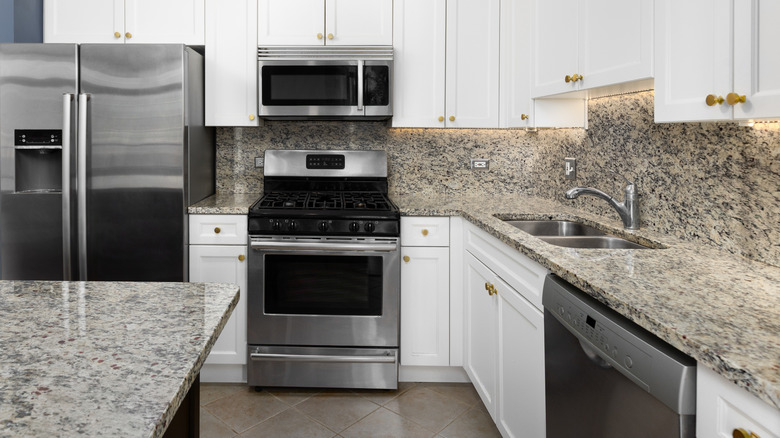
The speckled granite countertop aesthetic has been a pervasive trend for years, and its popularity continues into 2026 for many homeowners. However, designers are urging a departure from this choice, deeming it significantly outdated. Speckled granite is often associated with design choices popular in the mid-2000s, which can inadvertently make a kitchen feel old-fashioned.
Beyond their dated appearance, speckled countertops can overwhelm a kitchen’s overall design, drawing undue attention and detracting from other carefully chosen elements. The visual busyness of the speckles can create a chaotic atmosphere, especially when paired with contrasting cabinet colors, potentially draining the vibrancy from the space. This year, designers recommend opting for more understated countertop choices. Muted tones or solid colors that don’t demand excessive attention, while still offering a subtle boldness, are ideal. Materials like quartz or honed stone are excellent choices for 2026 due to their versatile aesthetic and ability to complement various design schemes.
Fast Furniture
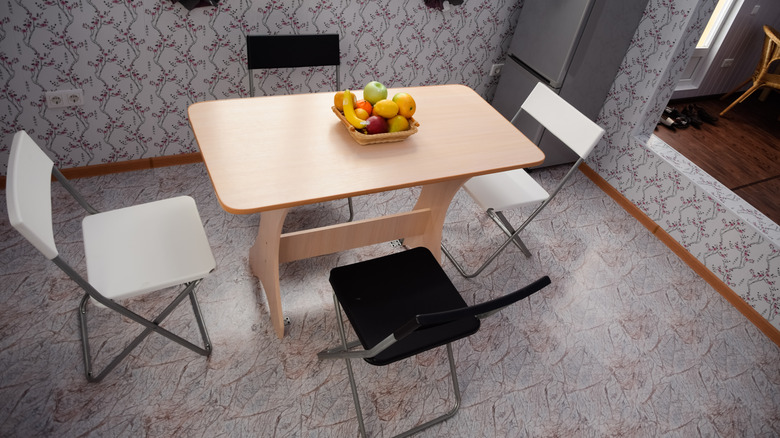
The environmental impact of “fast fashion” is widely recognized, but the detrimental effects of “fast furniture” are often overlooked. The furniture pieces chosen for a kitchen can have a significant negative influence on both the environment and the aesthetic of the space. Fast furniture, often sourced from online marketplaces or large retailers, remains popular due to its affordability and adaptability to current trends. However, beyond its disposability and ecological footprint, it can render a kitchen bland and impersonal, lacking individual character. Moreover, fast furniture often appears less sophisticated in person than it does online.
There’s a growing movement, particularly among Gen Z, to reject fast furniture, especially in kitchens. Consumers of all ages are realizing its lack of lasting appeal. A simple yet effective way to avoid fast furniture is to prioritize secondhand or vintage pieces, particularly for substantial items like dining tables or butcher blocks. This approach often leads to discovering unique, enduring items that stand the test of time. When purchasing new, focus on pieces that are not mass-produced and are crafted from natural materials.
Fake Greenery and Fruit
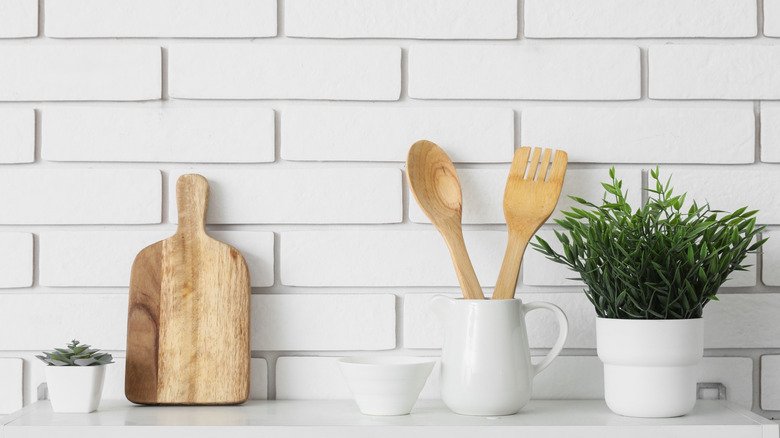
It’s time to bid farewell to artificial plants and fruit in our kitchens. While their popularity has endured for an extended period, 2026 should mark the year we collectively embrace natural alternatives. The appeal of faux greenery lies in its low maintenance and resilience to fluctuating kitchen temperatures. However, the reality is that artificial plants and fruit can often appear cheap and kitschy, detracting from the elegance of a kitchen unless they are of exceptionally high quality.
The solution is remarkably simple: opt for real plants. “Real plants catch the light, they move with the air, and that is what gives a room its life,” explains a design principal. Even a single plant in a well-chosen planter can bring more vitality to a space than an entire wall of plastic foliage. Consider incorporating a few herb pots for a practical and decorative touch, or a small lemon tree to add a bold natural element and provide fresh fruit for your culinary endeavors.
All-Matching Kitchens
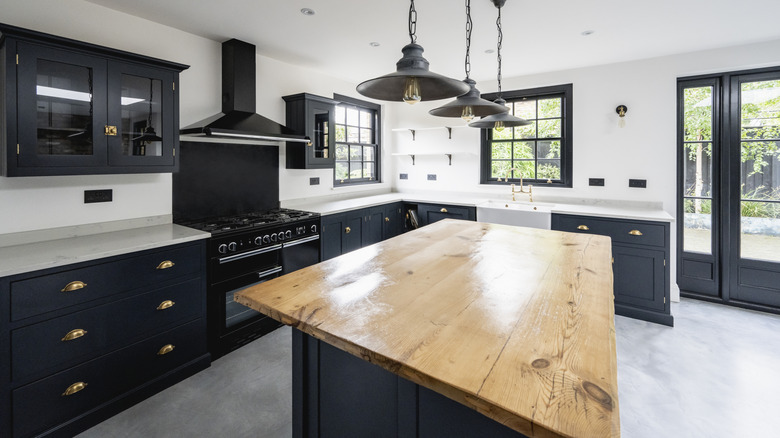
While a perfectly coordinated kitchen can be visually satisfying, past trends have often leaned towards an overly precise aesthetic, sacrificing character for uniformity. This inclination for everything to match perfectly, to the detriment of individuality, surprisingly persists into 2026. Designers continue to encounter clients who desire a completely “matchy-matchy” kitchen. However, this approach is beginning to wane as people recognize that kitchens where cabinets, furniture, and hardware are all identical can feel sterile and devoid of personal flair.
This year, there’s a growing appreciation for a more relaxed and eclectic approach. Design trends are increasingly embracing imperfection, allowing for pieces that might subtly mismatch or showcase their age and uniqueness. This shift not only grants greater freedom in design choices but also imbues the kitchen with a sense of lived-in warmth and character. Furthermore, it allows for gradual updates and changes rather than requiring a complete overhaul. The key is to follow your own intuition and avoid adhering rigidly to a specific theme.
Tall Cabinets
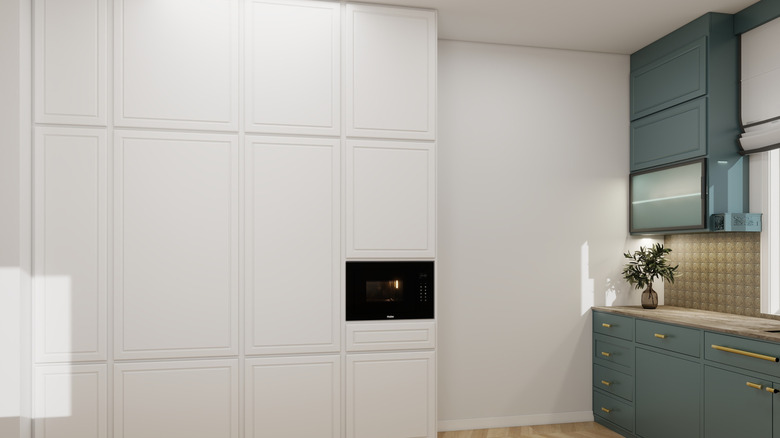
Opting for excessively tall cabinets can instantly date a kitchen. While large, imposing cabinetry was once favored for its dramatic effect and storage capacity, what once appeared dramatic now often feels overwhelming and boxy, potentially making a kitchen seem confined. Tall, monochromatic cabinets continue to appear on design boards, but their implementation can result in an unwelcoming, somber space lacking dynamism and visual interest. This choice can also lead to an excess of storage at the expense of overall visual spaciousness.
2026 is the year to embrace a lighter touch in kitchen design, including cabinetry. Designers are increasingly suggesting a mix of materials and finishes—perhaps glazed panels on upper cabinets or timber doors above painted ones—to create visual rhythm and a sense of lightness. This approach draws the eye and prevents the kitchen from feeling bland. When redesigning your kitchen, remember the importance of negative space around and above cabinets, both for practical storage and to allow the space to breathe.
White Oak Kitchens
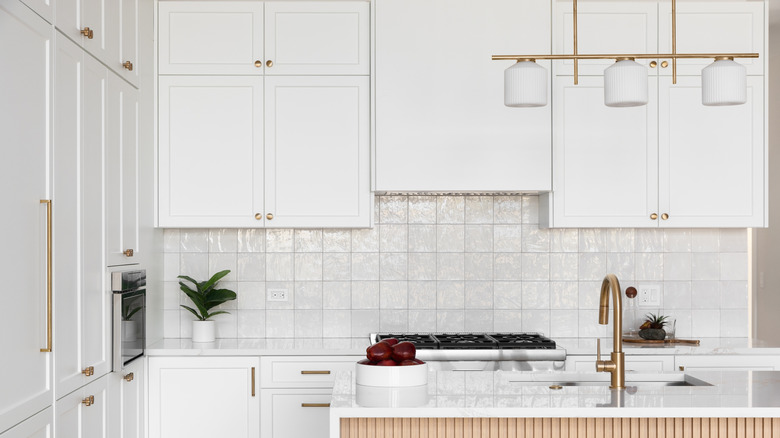
The reign of white oak in kitchen design is drawing to a close, though its presence remains strong in 2026. White oak cabinetry, fixtures, and flooring have been ubiquitous, and while they are likely to persist for a few more years, design experts are increasingly advocating for a shift away from this dominant aesthetic.
For 2026, consider either limiting the use of white oak to a single area or element within your kitchen, or transitioning to darker wood tones. White oak countertops, in particular, are considered outdated. While a complete replacement of existing white oak elements may not be necessary, introducing variety through other colors or shades can prevent the kitchen from feeling monochromatic. Alternatively, opt for oak with warmer undertones or cabinets and furniture that showcase the natural grain and character of the wood. This aligns with a broader movement away from sterile, “perfect” kitchens towards spaces that feel more lived-in and intentionally aged, fostering a sense of homeliness.
Oversized Hardware
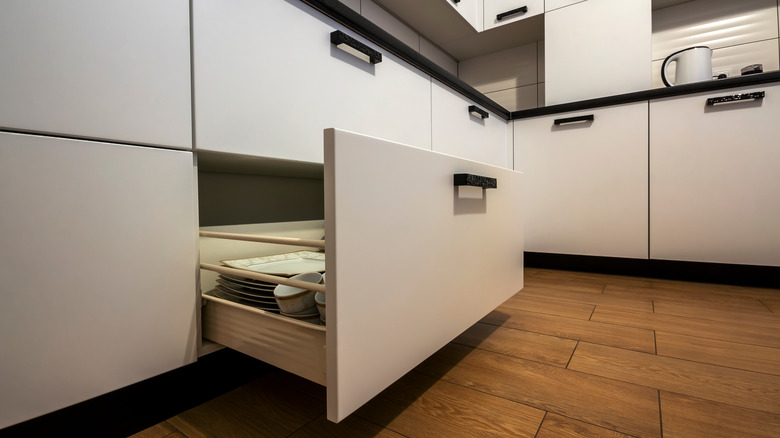
The era of large, prominent knobs and handles on kitchen cabinets, while not entirely in the distant past, is now considered a dated trend. Once a popular choice, particularly in farmhouse-style kitchens where they served as a distinct feature, oversized hardware is now often perceived as tacky and can lead to disproportionate cabinetry, diminishing the kitchen’s elegance and ergonomic appeal. Disregard any advice suggesting that large handles are currently in vogue; they are not.
The current trend favors minimalism and subtlety. This year, the focus is on elegant, understated hardware and integrated details that maintain clean lines. Instead of large knobs, opt for smaller, less obtrusive options that add a touch of intrigue, or consider hidden handles for a completely seamless look. While personal preference always takes precedence, be aware that oversized hardware is no longer considered a current trend.
